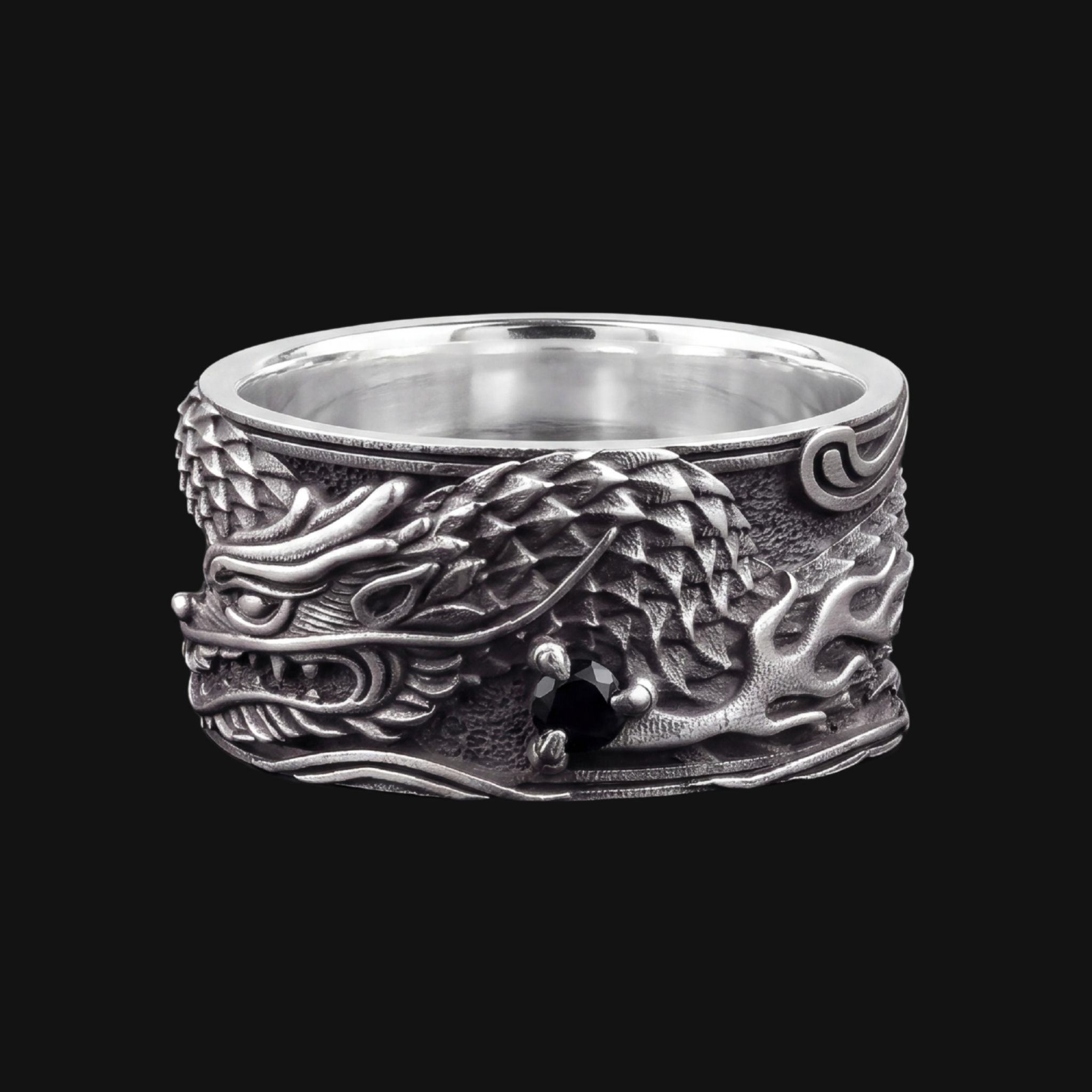
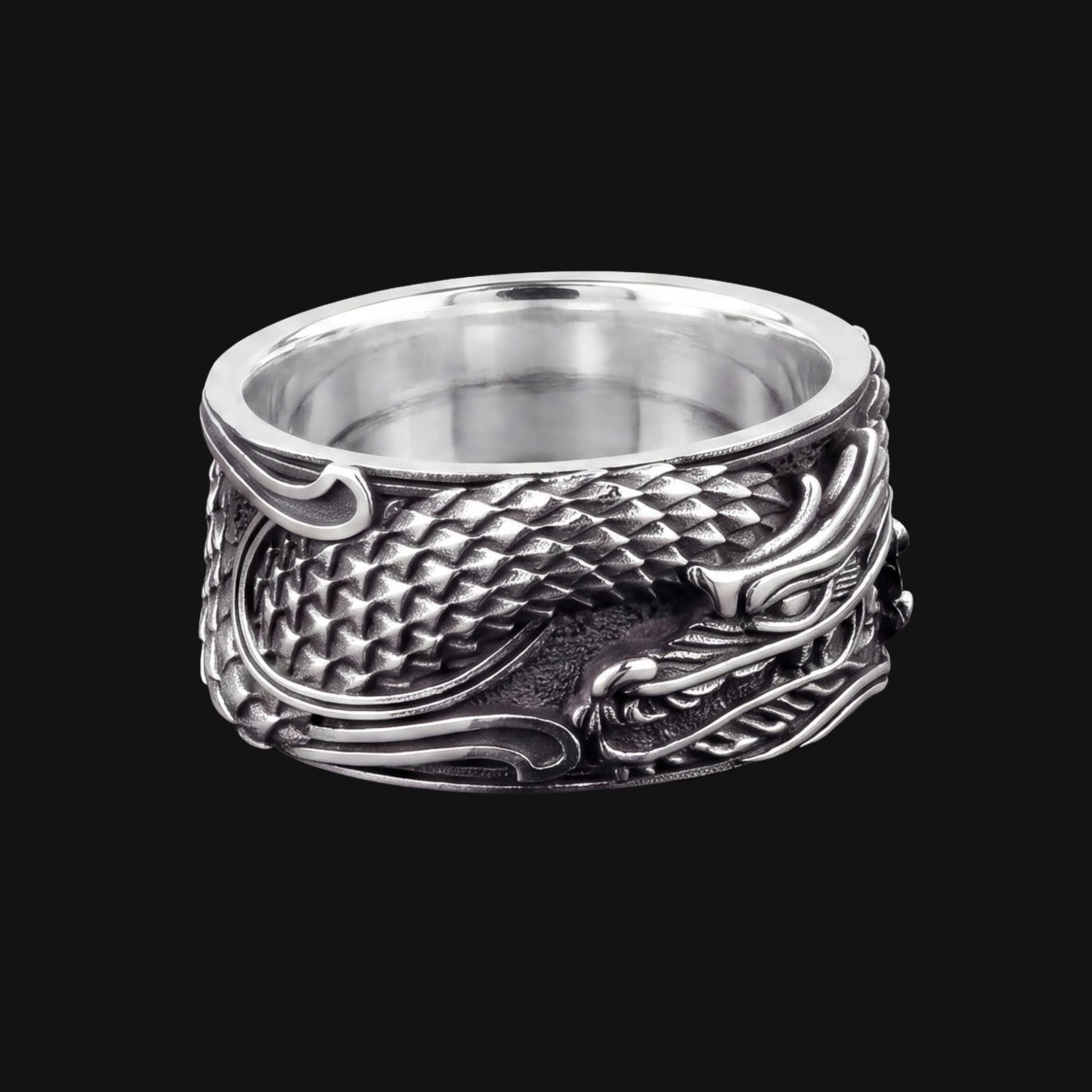
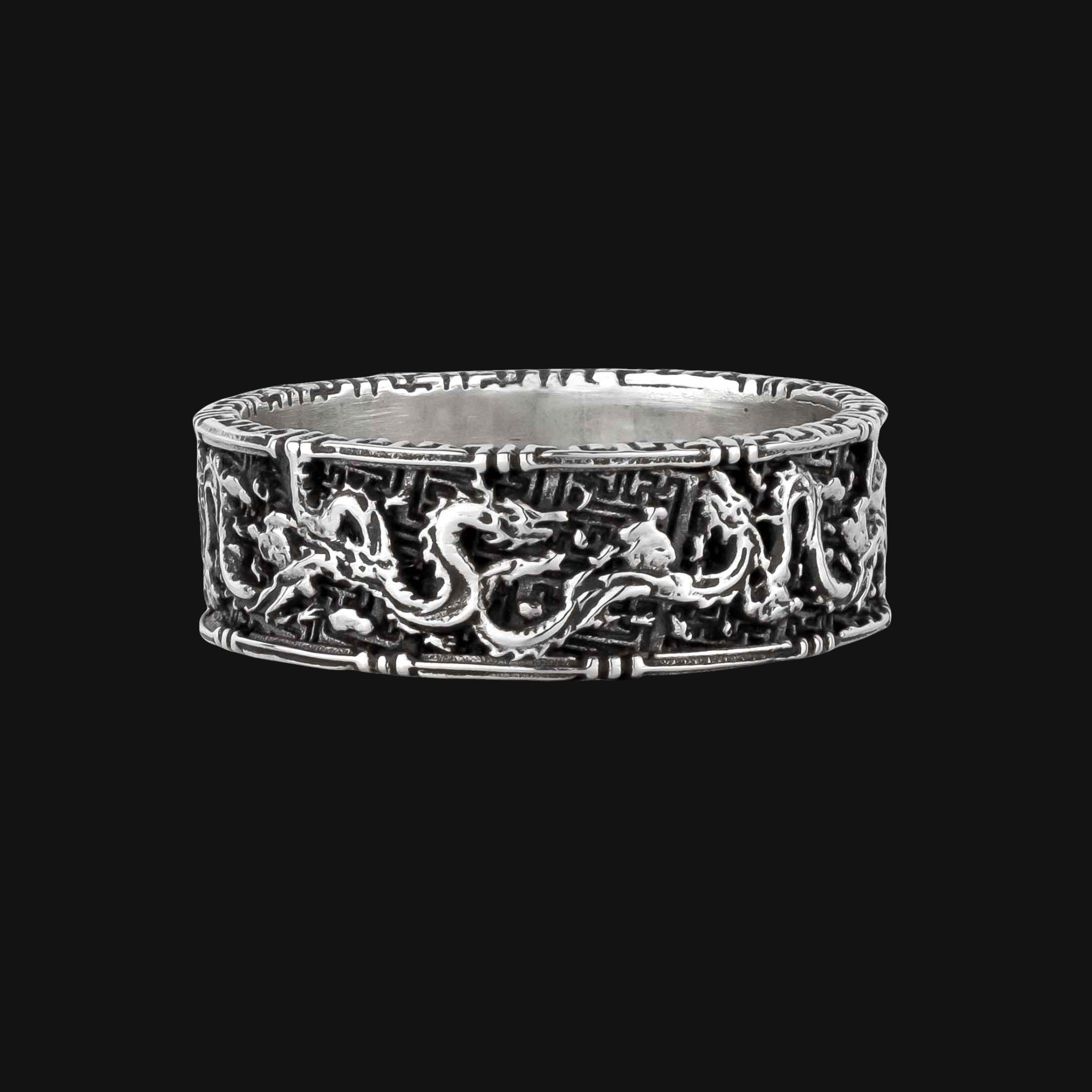
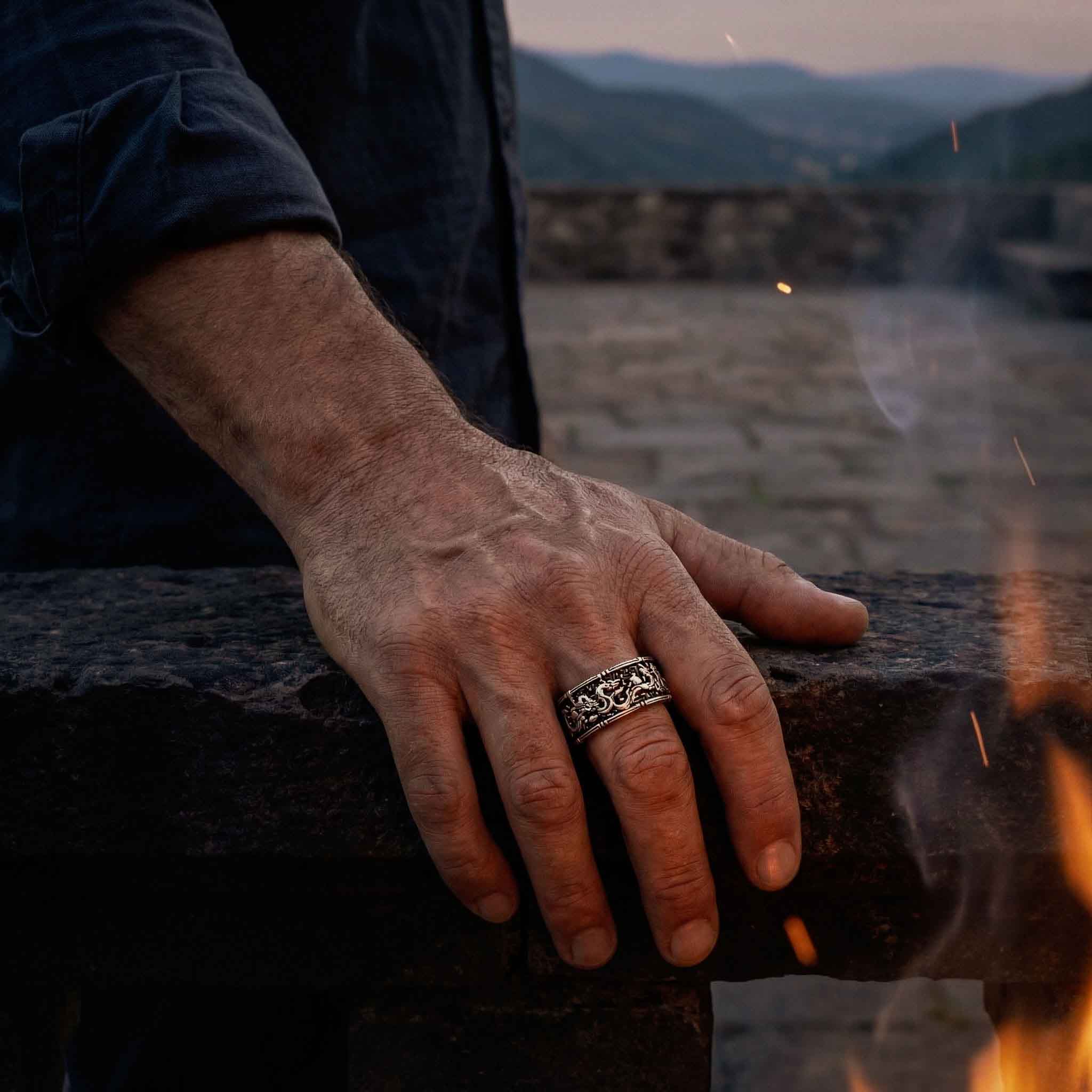
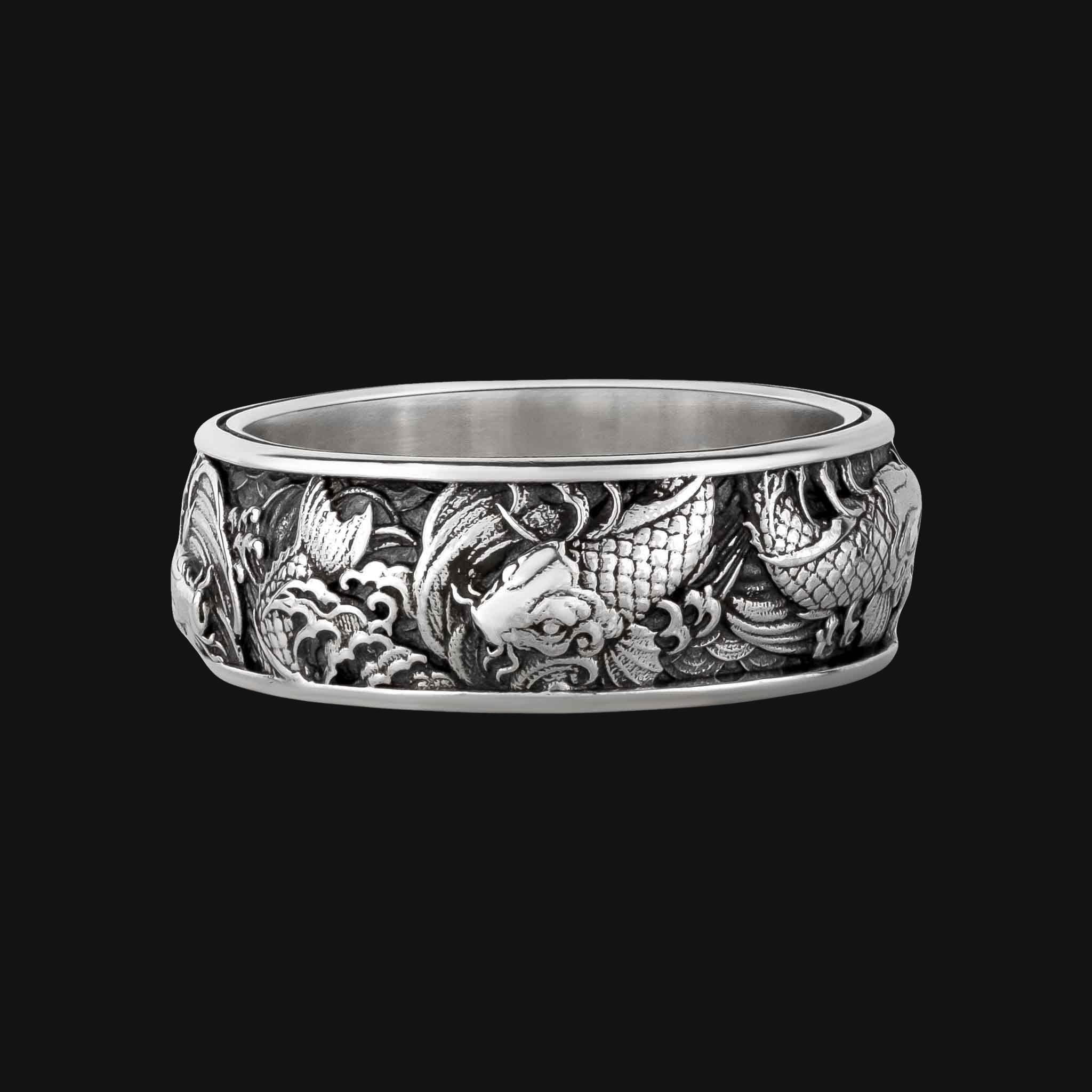
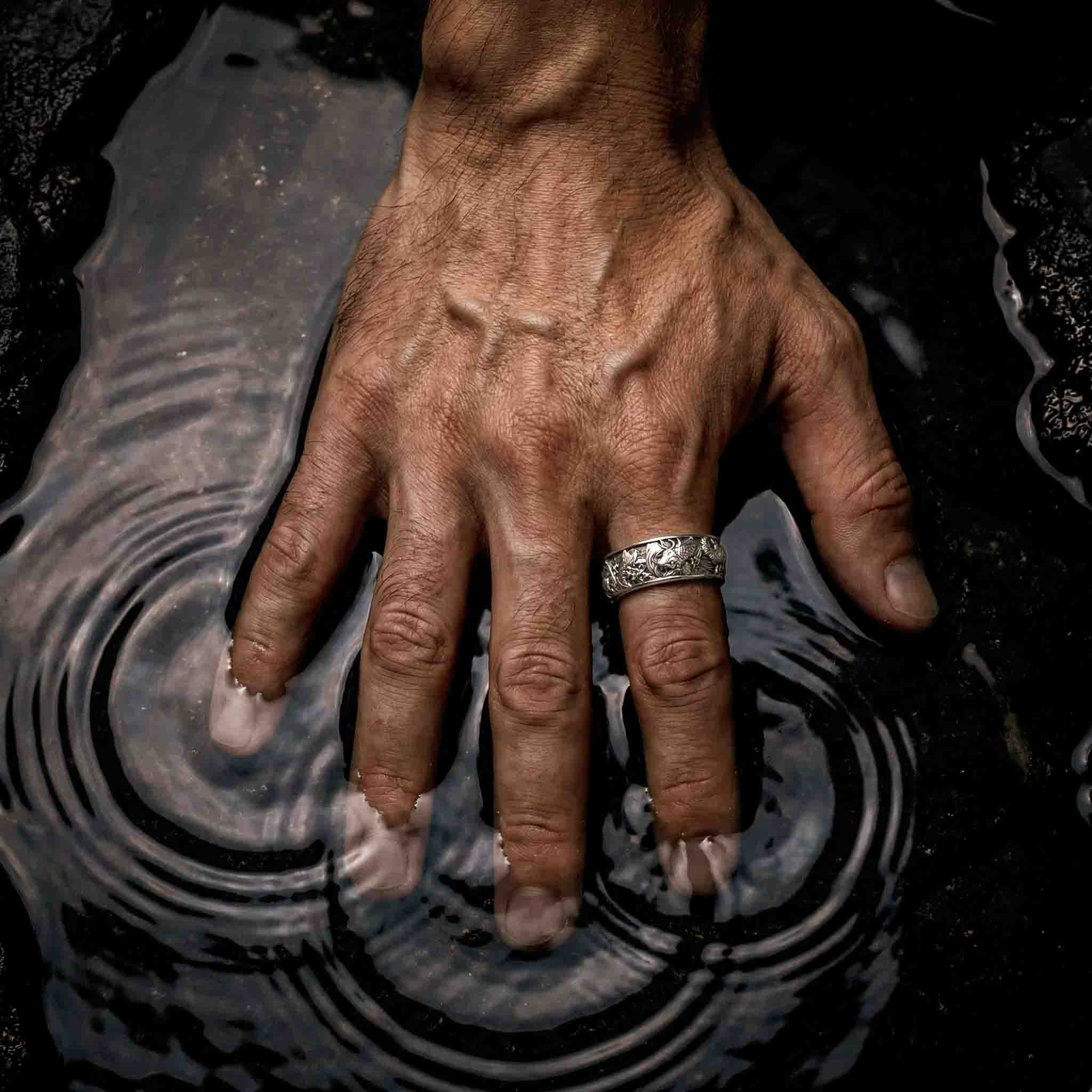
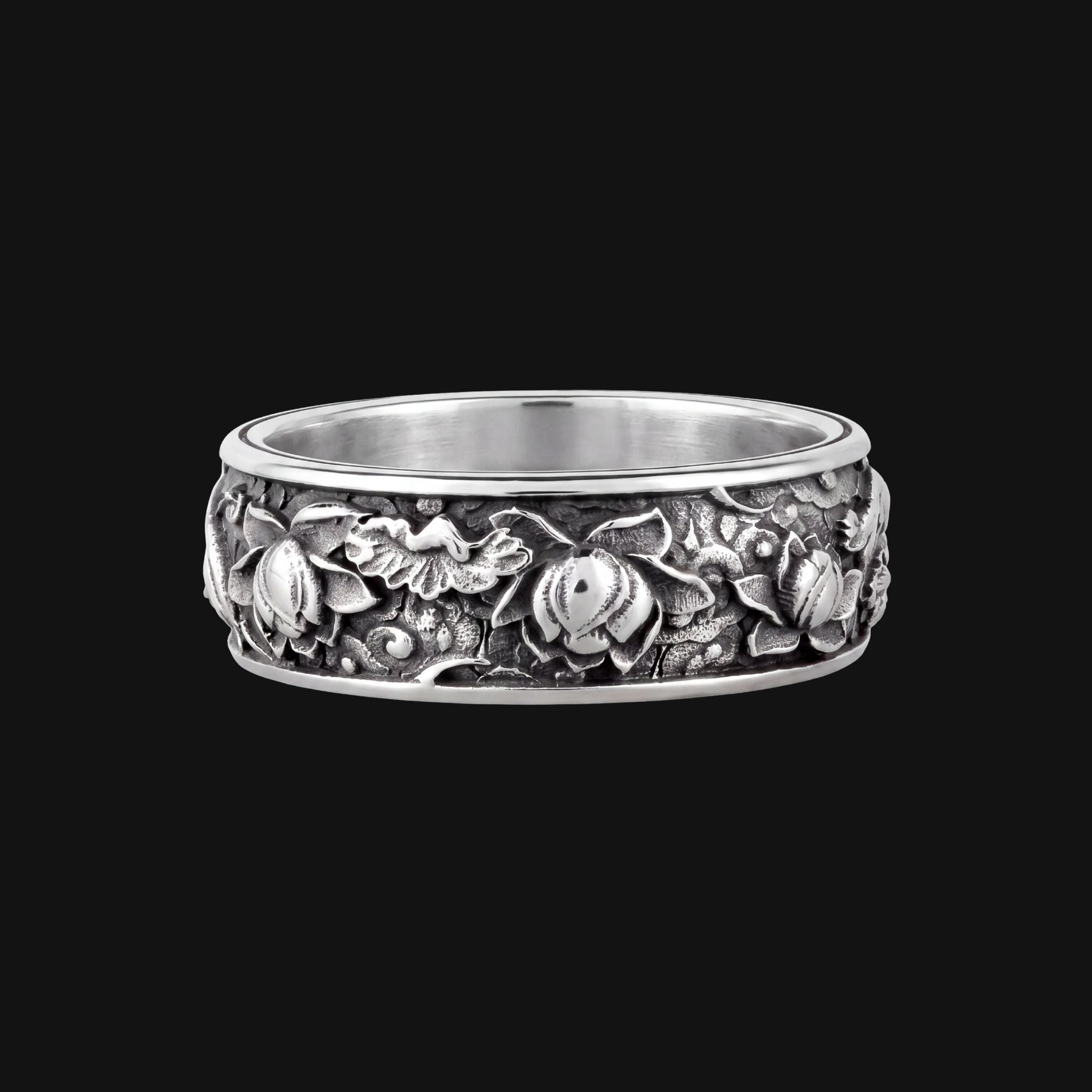
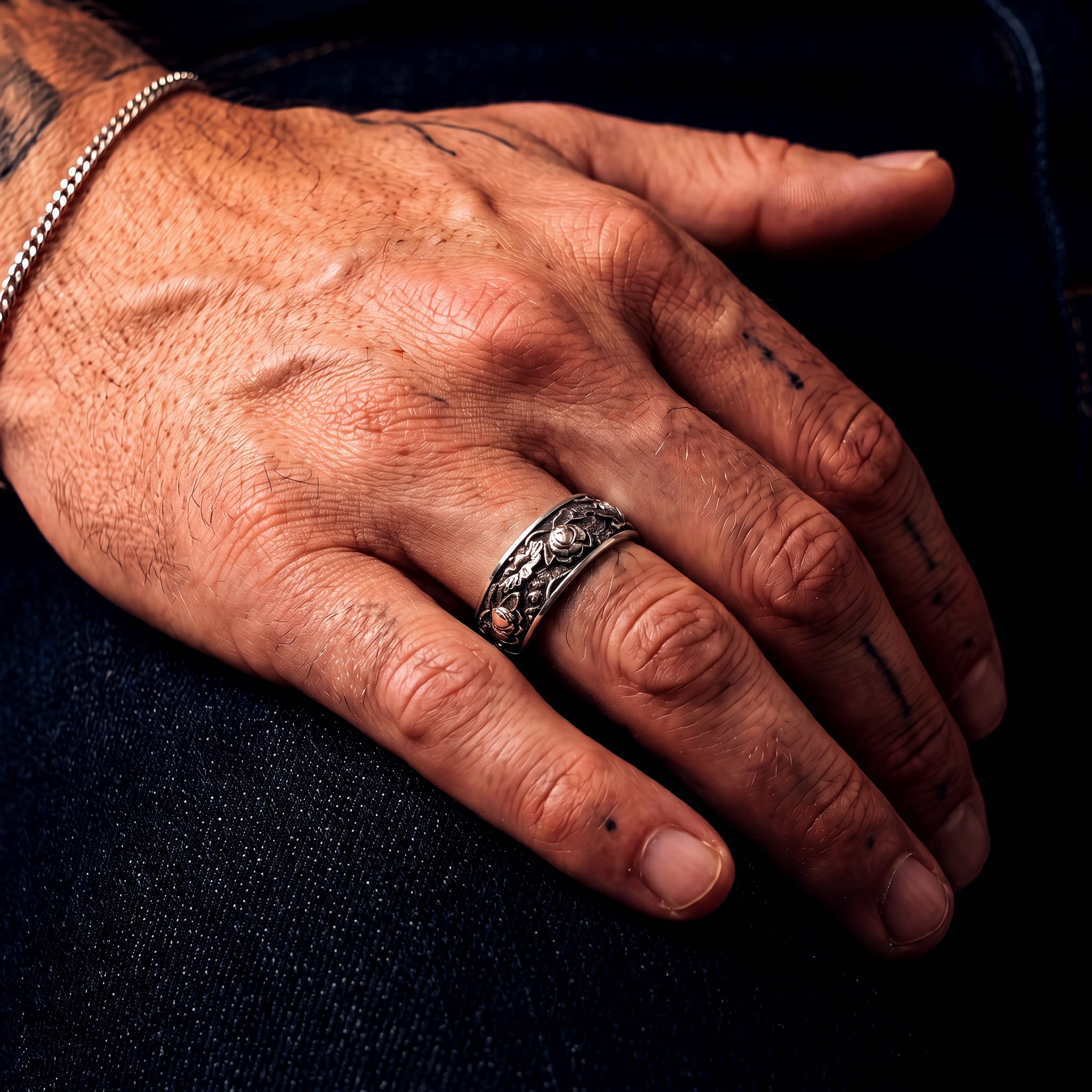
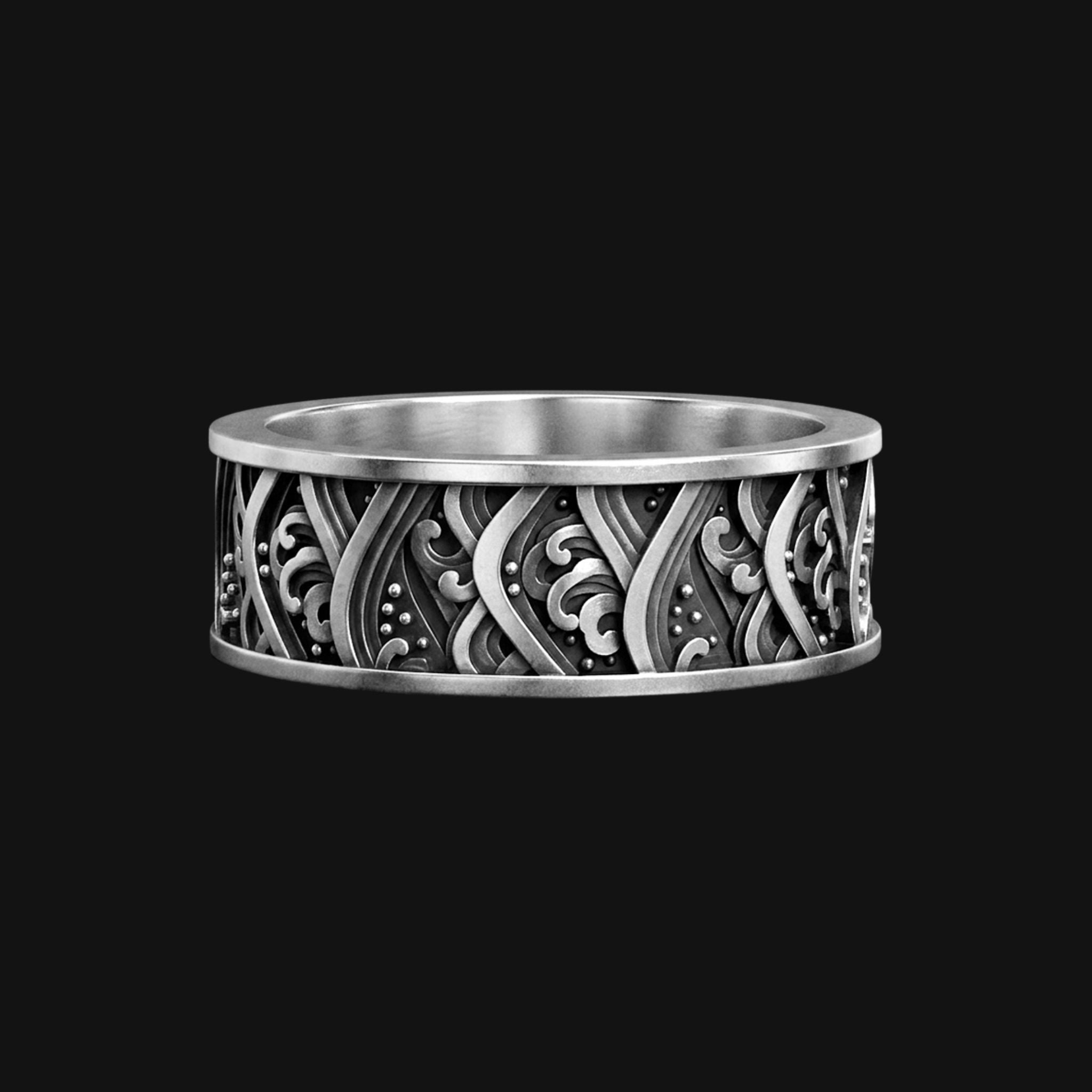
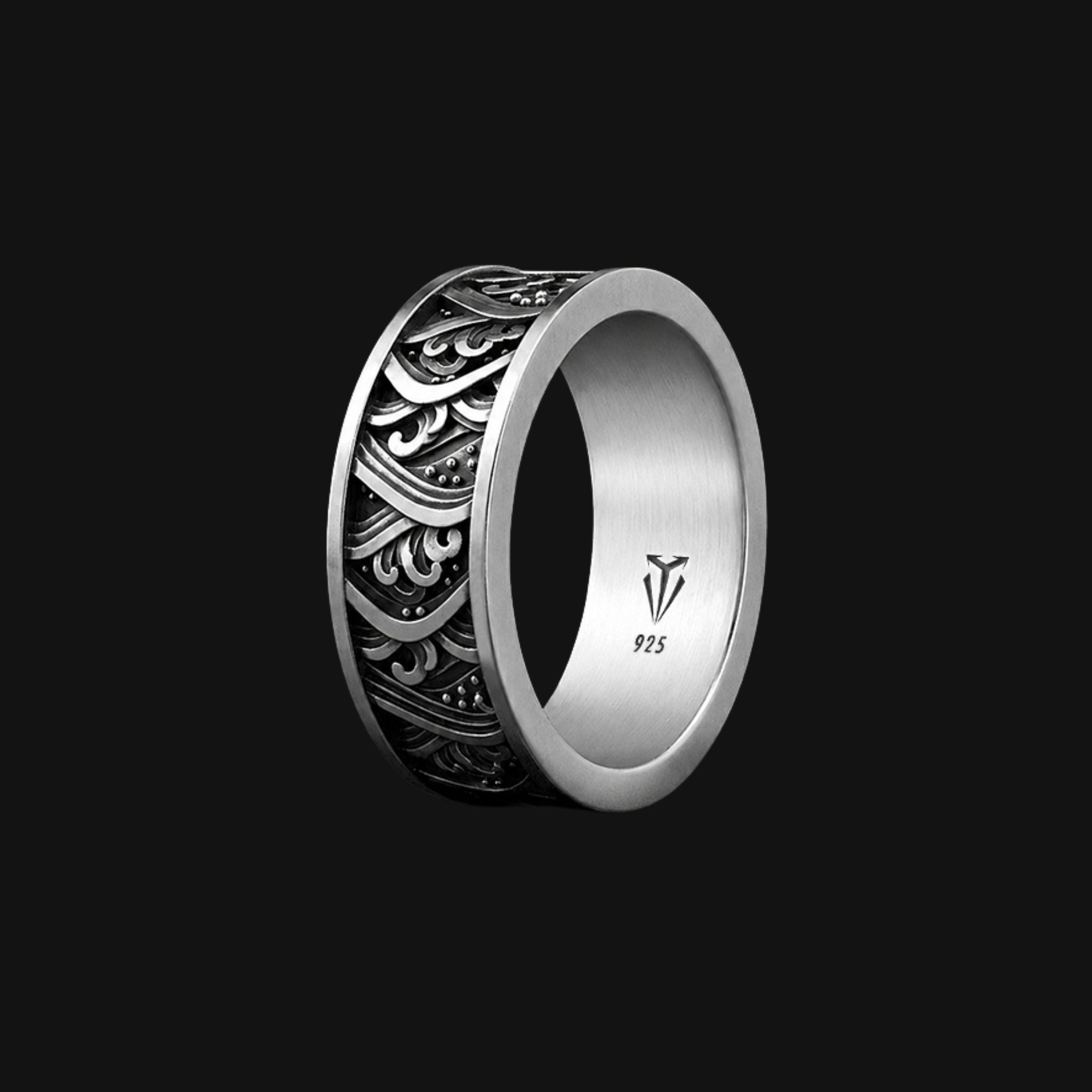
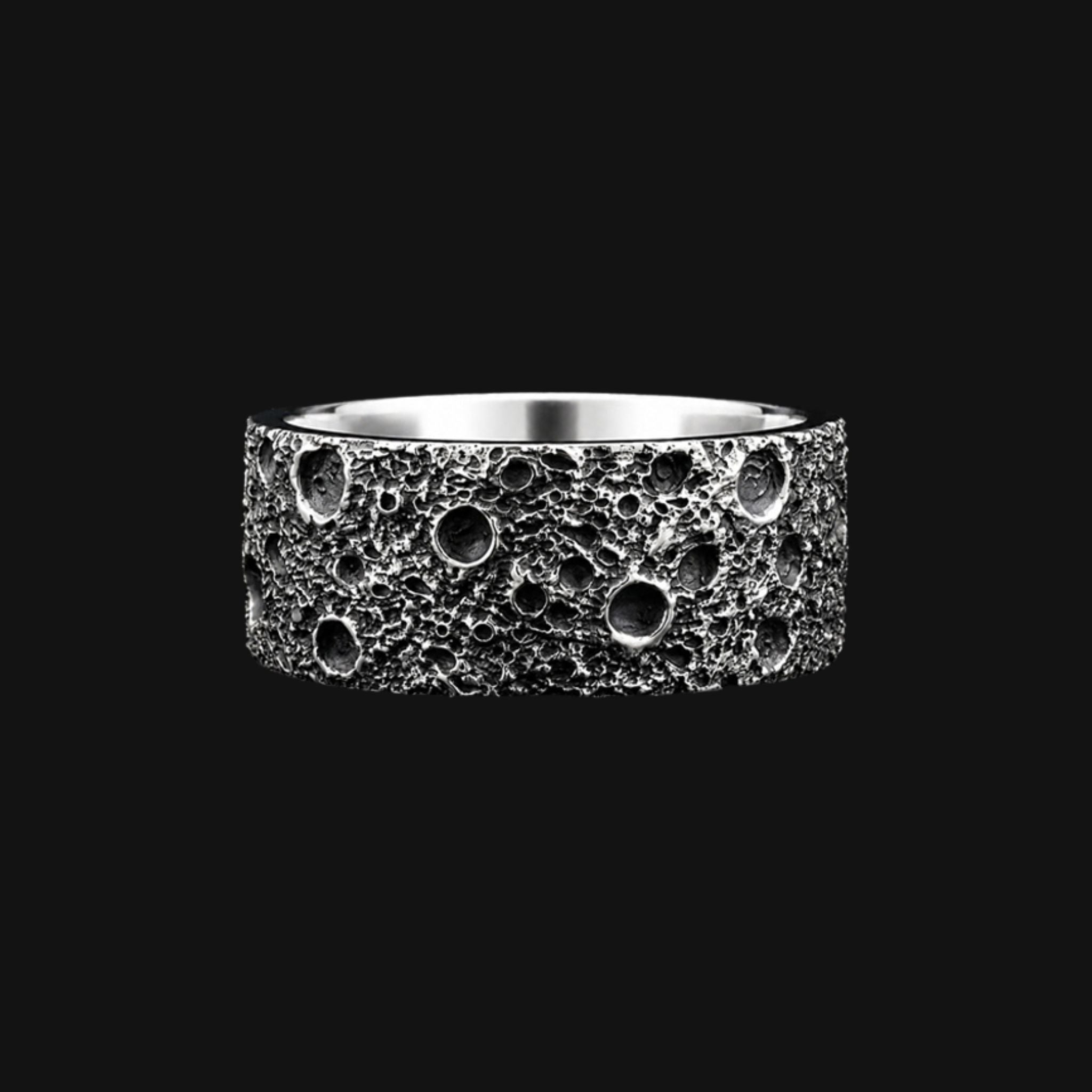
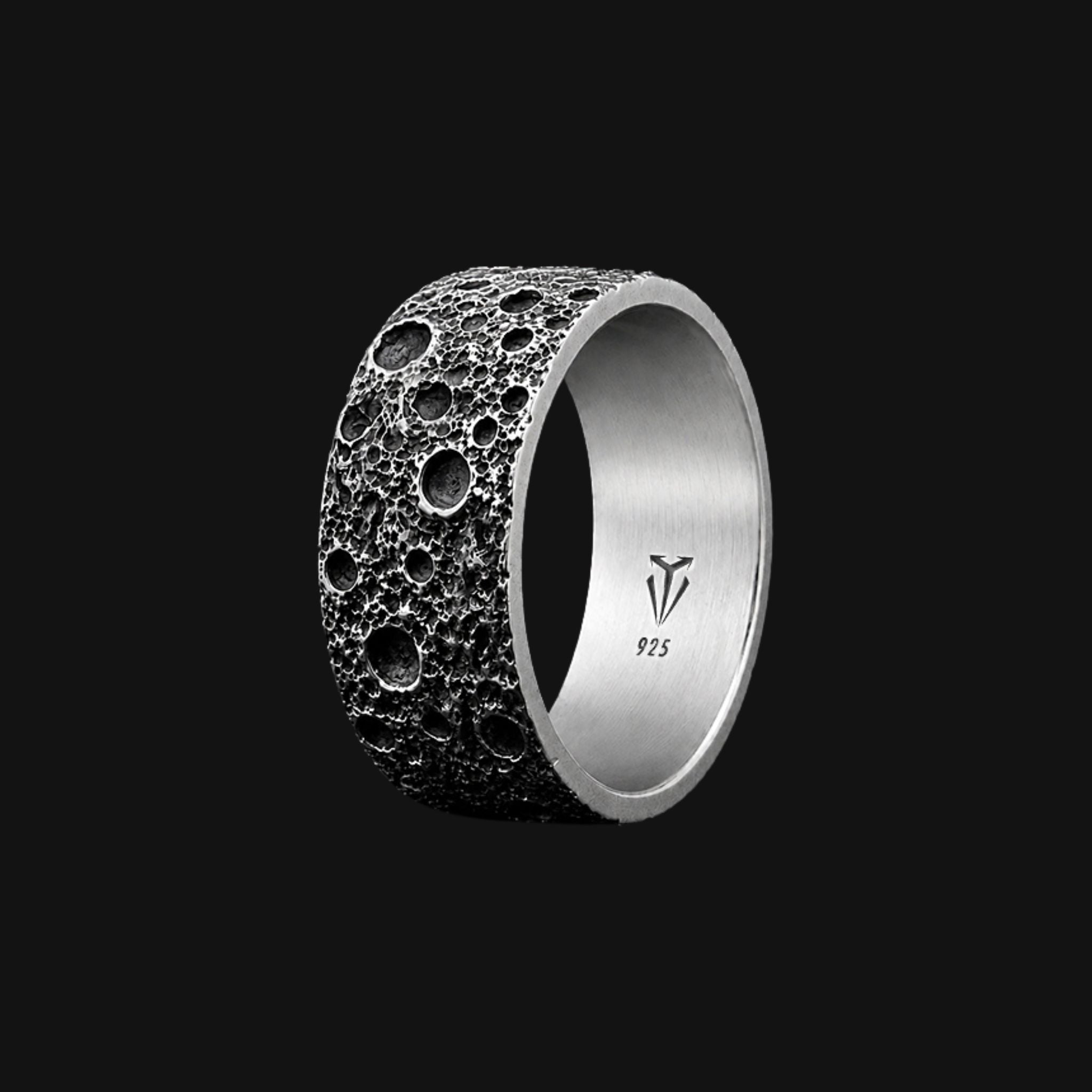
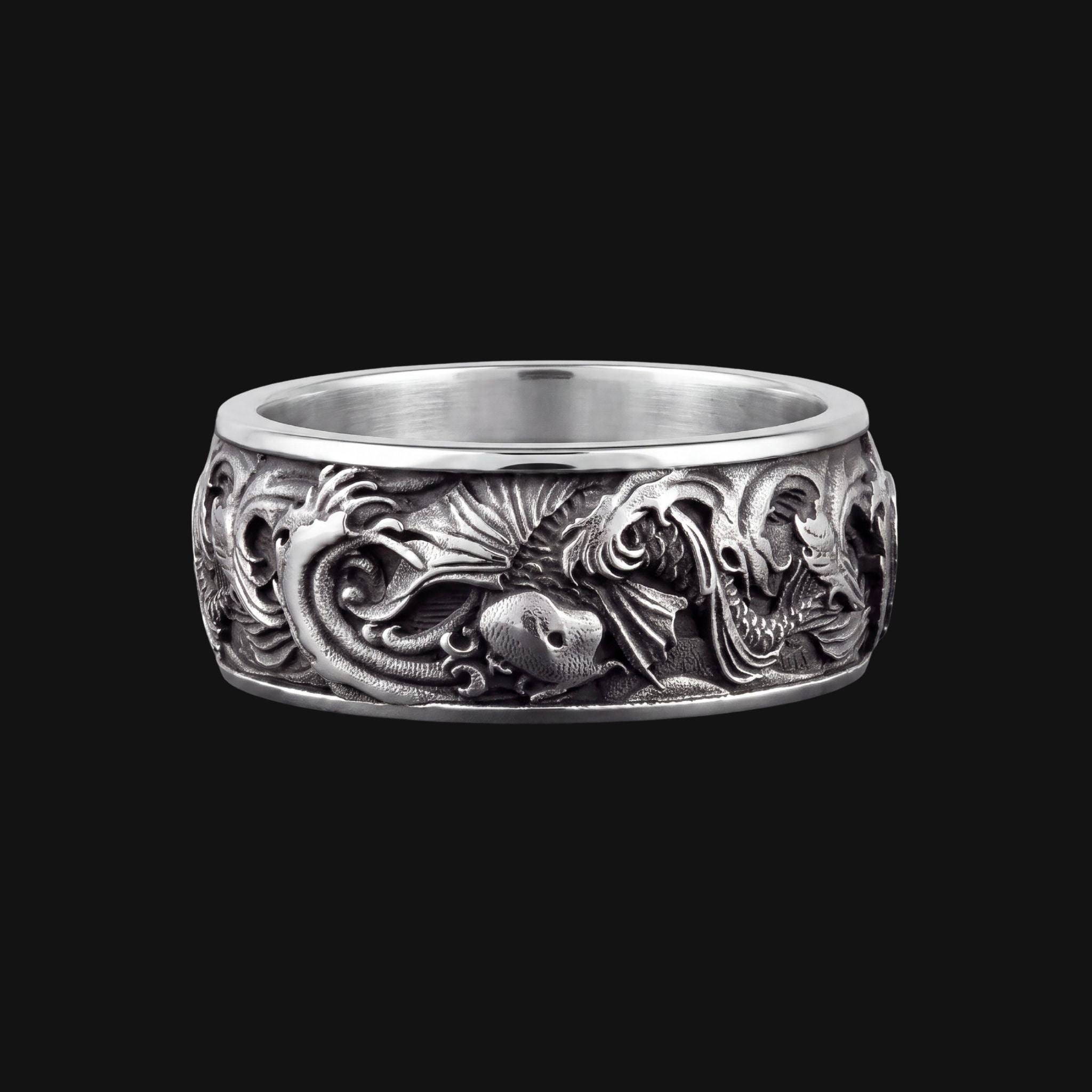
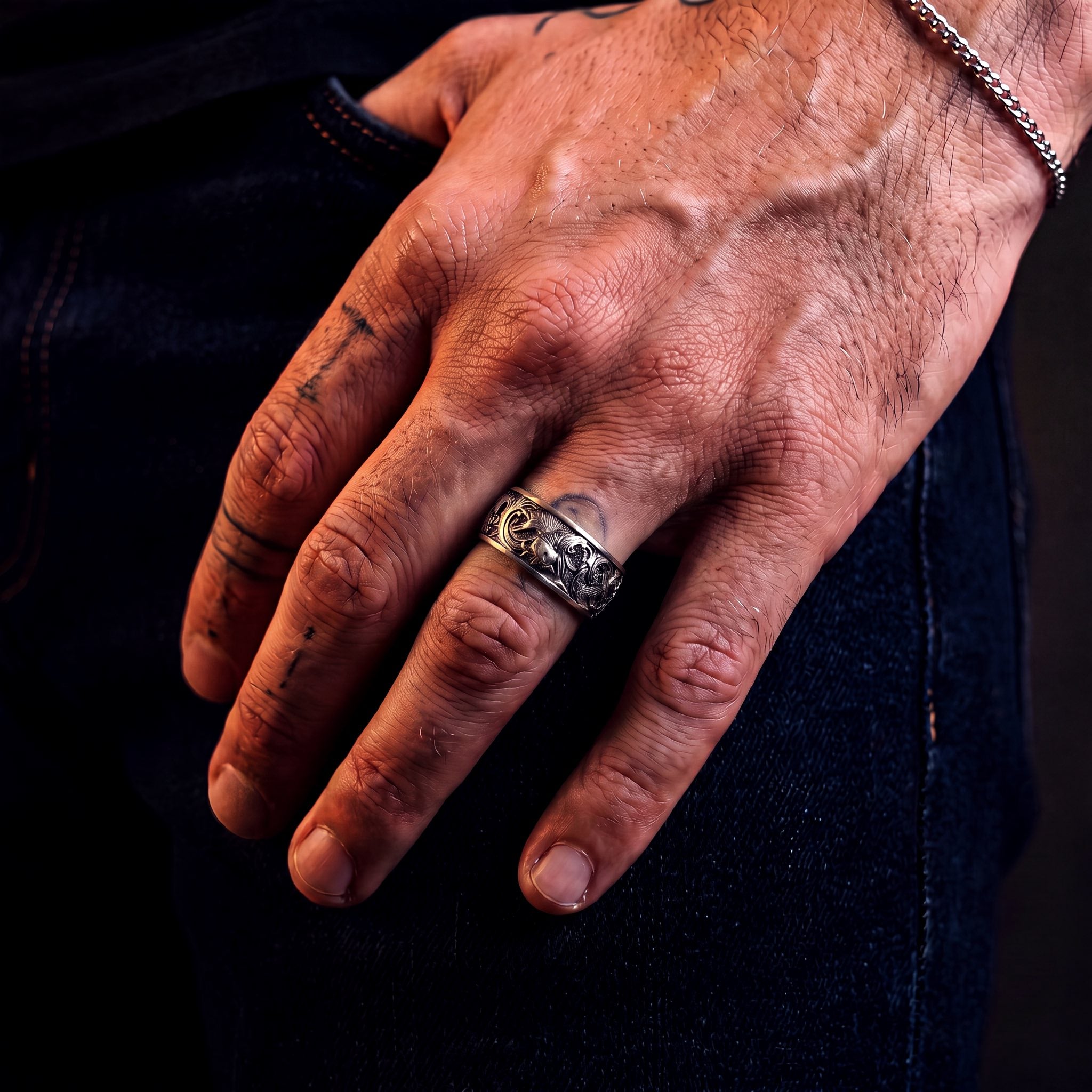
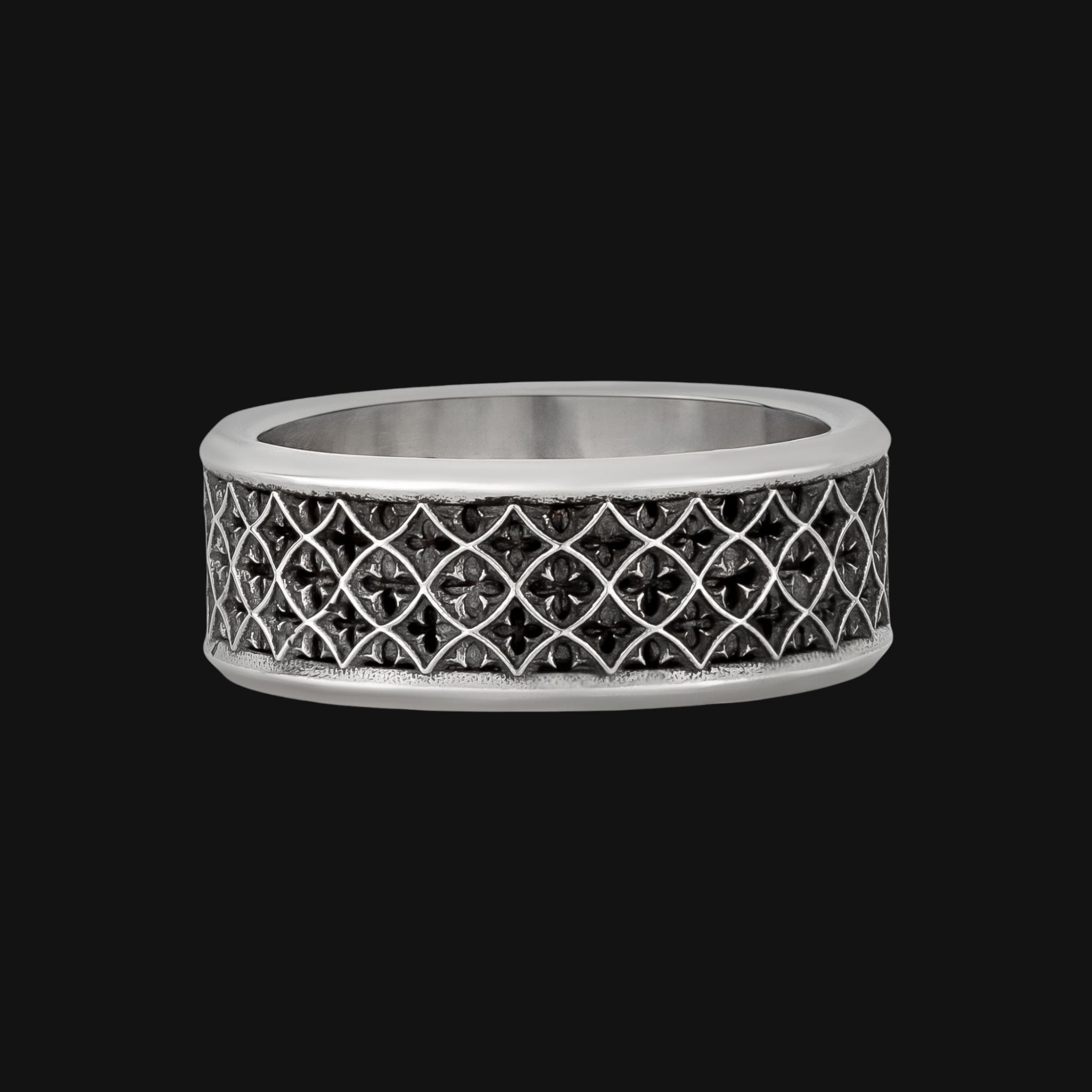
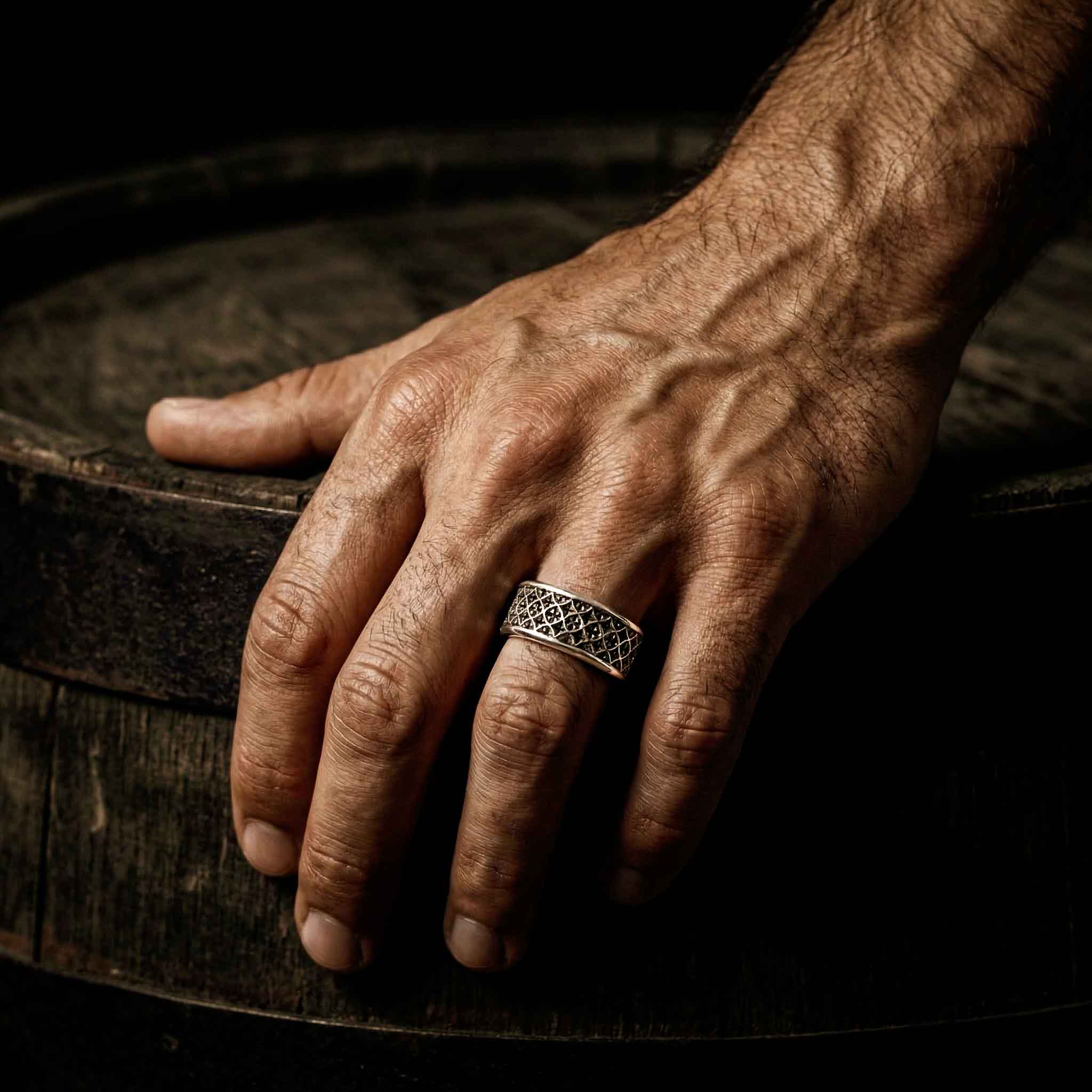
Silver has been valued for centuries, yet many people are surprised to learn that most “silver” jewelry isn’t made from pure silver at all. If you’ve come across the term sterling silver and wondered how it differs from regular silver, you’re not alone. In this guide, we’ll explain exactly what sterling silver is, how it differs from regular silver, why it’s used in rings, bracelets, and other jewelry and whether it’s worth buying. By the end, you’ll know precisely what you’re wearing and why sterling silver remains one of the most trusted materials in fine jewelry.

What Is Sterling Silver?
Sterling silver is a high-quality silver alloy made from 92.5% pure silver and 7.5% strengthening metals, usually copper. This blend enhances durability while preserving silver’s natural beauty and value.
Pure silver (99.9%) is soft and easily scratched or bent. By adding a small amount of other metals, sterling silver becomes strong enough for everyday wear. For this reason, it has been the standard material for fine jewellery, heirloom tableware, and luxury accessories for centuries.
What Does “925” Mean?
A “925” stamp indicates that a piece is made from genuine sterling silver.
This hallmark is used worldwide and is one of the most reliable indicators of authenticity.
Is Sterling Silver Real Silver?
Yes — sterling silver is real silver.
While it is not 100% pure, it contains a high percentage of genuine silver. The added metals do not reduce its authenticity; they improve strength and make it suitable for daily wear.
In fact, sterling silver is considered the industry standard for real silver jewellery because pure silver alone is too soft for practical use.
Is Sterling Silver Good Quality?
Yes — sterling silver is considered a high-quality precious metal and is widely used in fine jewelry because it combines real silver with added strength for everyday durability.
Durabilty
Sterling silver is strengthened with small amounts of other metals, making it far more resistant to bending, scratching, and damage than pure silver. This makes it suitable for daily wear.
Longevity
Unlike silver-plated jewelry, sterling silver is solid throughout. It won’t peel or flake, can be polished repeatedly, and can last for decades with proper care.
Everyday Wear Suitability
Sterling silver offers the ideal balance between beauty and practicality. It is durable enough for daily use while maintaining the premium look of real silver.
Does Sterling Silver Tarnish?
Yes, sterling silver can tarnish over time. This is a natural reaction when the metal is exposed to air, moisture, and certain chemicals. Tarnish only affects the surface and is easy to prevent and remove.
Why Tarnish Occurs
Sterling silver contains a small amount of copper, which reacts with sulfur in the air. This creates a dark layer on the surface.
Common causes include:
Tarnish does not mean the silver is damaged.
How to Prevent Tarnish
You can keep sterling silver shiny by:
How to Clean Tarnish
If tarnish appears:
How to Tell If Sterling Silver Is Real
Authentic sterling silver is easy to identify once you know what to look for. Because it contains 92.5% real silver, genuine pieces are typically marked and have specific physical characteristics.
Look for the “925” Stamp
The most reliable sign of real sterling silver is a “925” hallmark.
This stamp means:
You may also see marks such as “Sterling,” “Ster,” or “925”
The Magnet Test (and the Myth)
Silver is not magnetic. If a strong magnet pulls strongly toward the item, it likely contains other metals.
However, this test is not foolproof:
Use this test only as a quick indicator, not proof.
Is Sterling Silver Worth Buying?
Yes — sterling silver offers excellent value, combining genuine precious metal with durability suited for daily wear. It delivers the beauty and longevity of fine jewellery without the cost of gold or platinum.
Why it’s a smart investment:
-
Real silver value — contains 92.5% pure silver
-
Long-lasting durability — solid metal that won’t peel or wear away
-
Affordable luxury — premium appearance at an accessible price
-
Better than plated jewellery — stronger, longer-lasting, and more refined
For those seeking quality, longevity, and timeless style, sterling silver provides exceptional value.
When Should You Choose Sterling Silver?
Sterling silver is ideal when you want jewellery that balances durability, elegance, and everyday practicality.
It is especially well suited for:
-
Everyday wear — strong enough for daily use while maintaining a refined, polished look
-
Meaningful gifts — timeless and valuable, suitable for all styles and occasions
-
Men’s jewellery — durable and resilient, ideal for rings, chains, and bracelets worn regularly
-
Sensitive skin — high-quality sterling silver is typically nickel-free and comfortable to wear
Because it offers genuine precious metal value, long-term durability, and understated luxury, sterling silver remains one of the most trusted choices for fine jewellery.
Quick Comparison: Sterling Silver vs Pure Silver
| Feature |
Sterling Silver |
Regular (Pure) Silver |
| Purity |
92.5% silver, 7.5% alloy metals |
99.9% silver |
| Strength & Durability |
Strong and suitable for daily wear |
Very soft and easily scratched |
| Appearance |
Bright, polished shine |
Slightly softer, more muted shine |
| Jewelry Use |
Ideal for rings, chains, bracelets, pendants |
Rarely used due to softness |
| Price |
More affordable and practical |
More expensive per gram |
| Longevity |
Designed for long-term wear |
Prone to bending and damage |