Koi Fish Meaning: Symbolism, Strength, and Legend Explained
Few creatures have captured the human imagination quite like the koi fish. With their fluorescent scales gliding beneath still water, they seem less like ordinary fish and more like mythical beings. But what does a koi fish actually mean? And why have they held such deep significance across so many cultures for so long?
Whether you're drawn to koi for their beauty, considering a tattoo, or simply curious about the legends behind them, this guide covers everything you need to know about koi fish meaning, symbolism, and the remarkable stories that have shaped their legacy.
1.) What do Koi Fish represent?

At their heart, koi fish symbolize perseverance, transformation, and good fortune. These three themes run through every culture that has embraced koi, from ancient China to modern Japan and even stretching to the West.
But koi symbolism isn't a one-size-fits-all. The meaning of a koi fish can shift depending on its color, the direction it's swimming, the number of fish depicted, and the cultural lens through which you're looking. Understanding the full picture requires going back to where the legend began.
2.) The Ancient Origins of Koi Fish
China: Where the Koi Legend Was Born
The story of the koi begins in China, where carp were first domesticated and selectively bred for their distinctive colors over a thousand years ago. In Chinese culture, the koi — or li yu — was already a revered creature long before these elaborate breeding programs began. Chinese literature celebrated the carp as a symbol of literary success and scholarly achievement, which is why it became associated with perseverance in education and the pursuit of excellence.
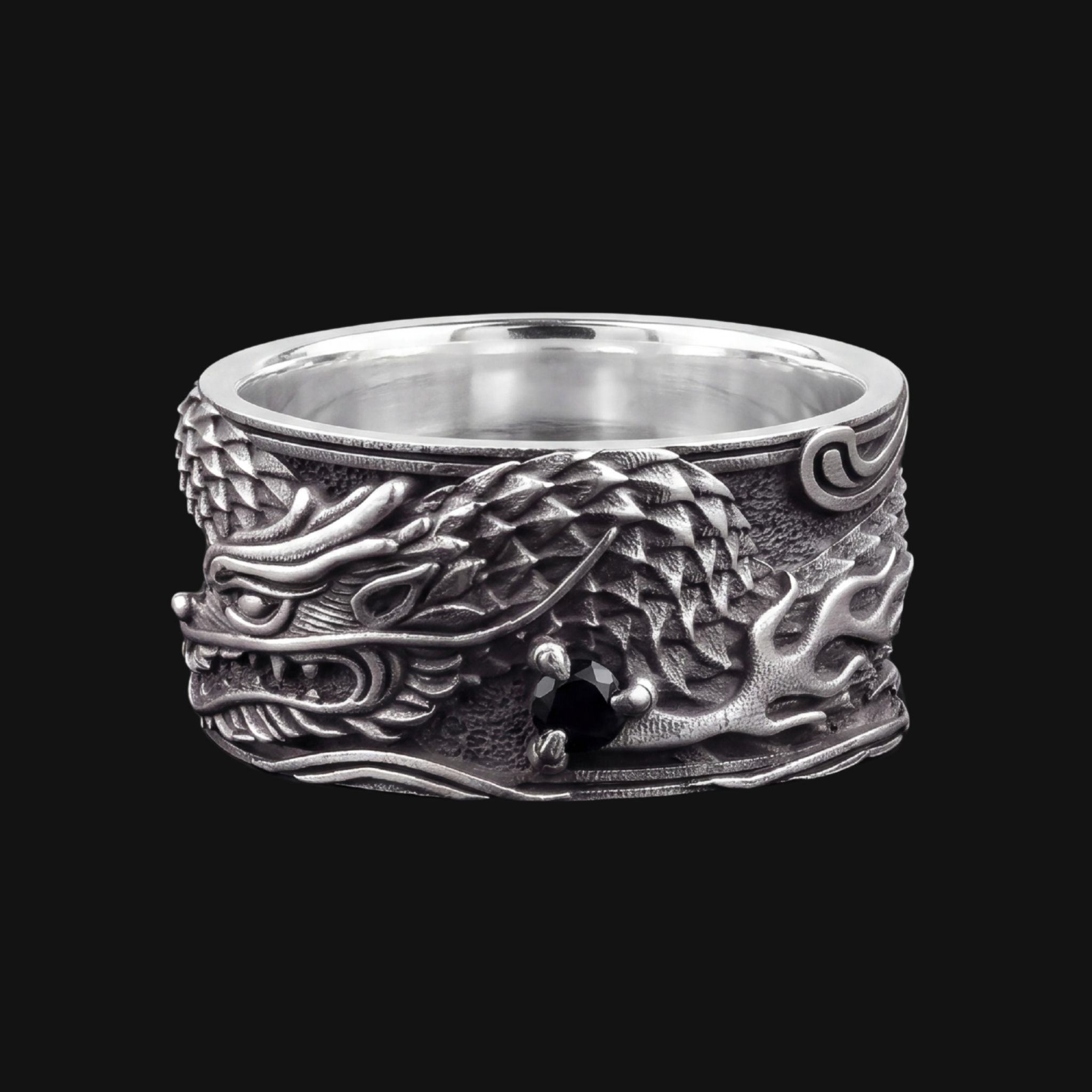
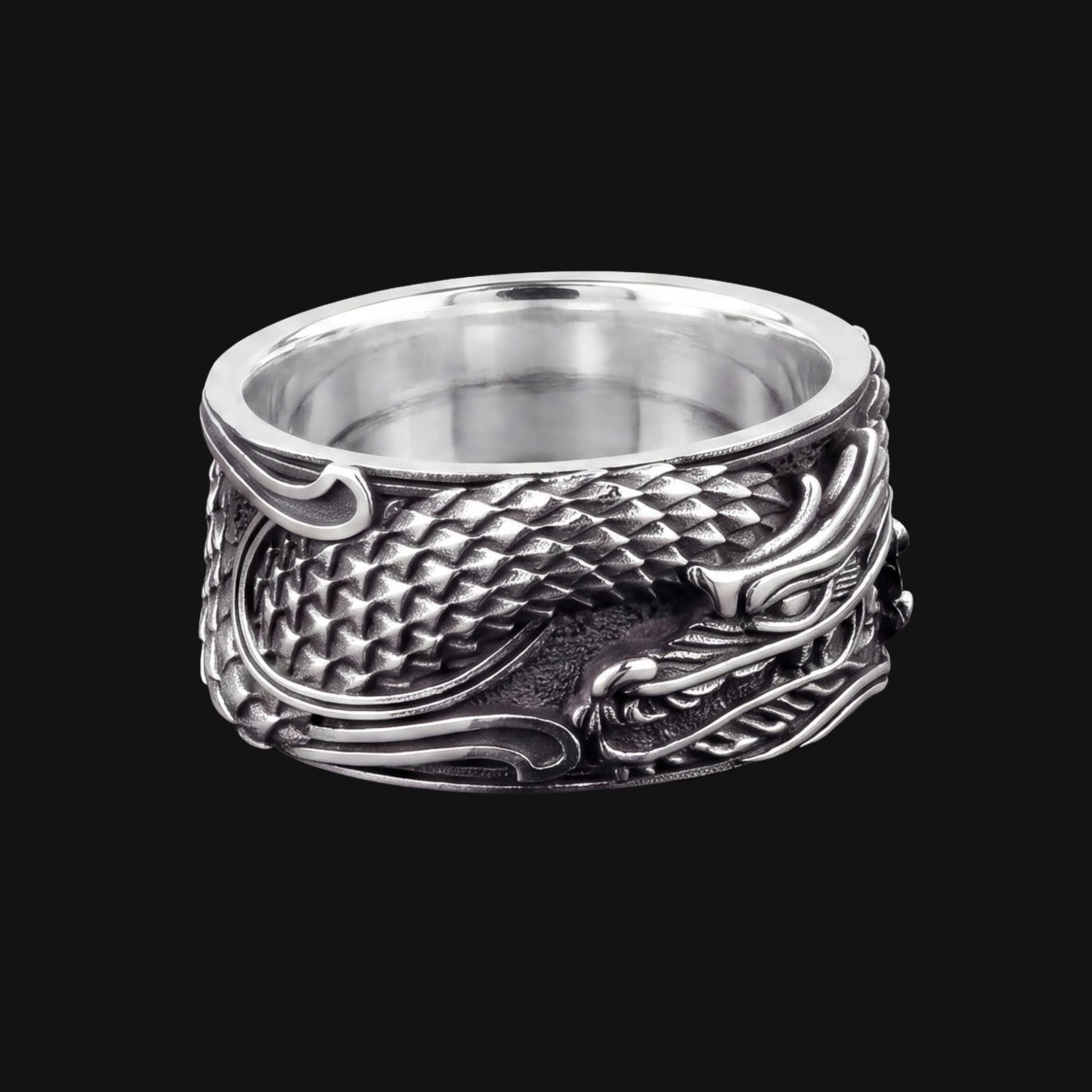
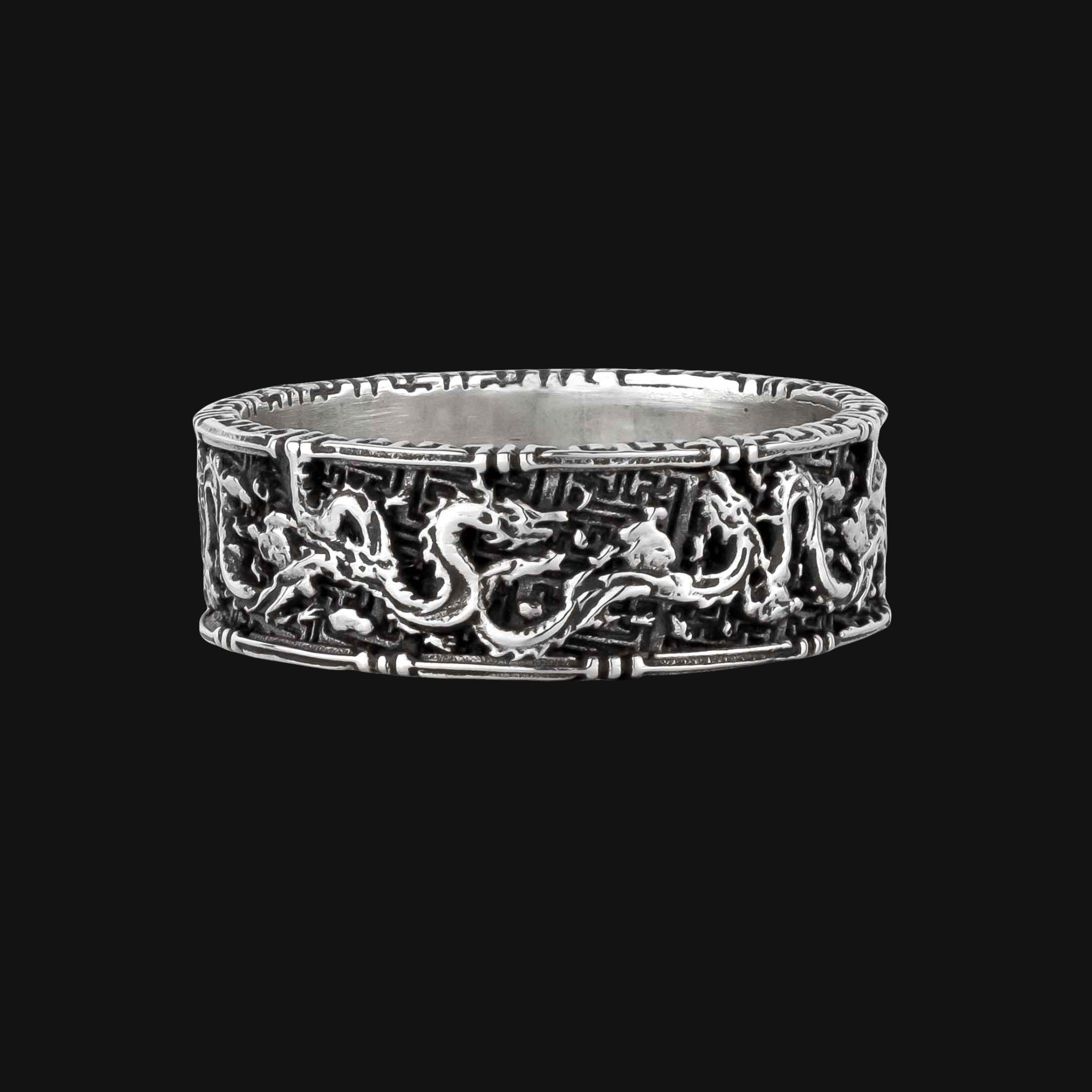
The most enduring Chinese legend involving the koi fish is The Dragon Gate story. According to the myth, a great waterfall called Dragon Gate (Longmen) stood on the Yellow River. Schools of carp would attempt to swim upstream against the powerful current and leap over the falls. Most failed and were swept back downstream. But if a carp succeeded — if it made the leap — it would transform it into a magnificent dragon.
This myth gave the koi fish its most powerful symbolic identity: the idea that struggle, persistence, and courage in the face of seemingly impossible odds can lead to extraordinary transformation. The koi doesn't just survive the current. It transcends it.

Japan: Refining the Symbol
When koi culture traveled from China to Japan, the symbolism deepened and diversified. Japanese culture elevated the koi — called nishikigoi, meaning "brocaded carp" — to an almost sacred status. They became centerpieces of elaborate garden ponds, living art forms, and symbols woven into the fabric of national tradition.
In Japan, koi are closely associated with Boys' Day (Kodomo no Hi, now Children's Day), celebrated on May 5th. Families traditionally hang koinobori — koi-shaped streamers — from poles outside their homes, one for each child. The streamers billow and swim through the wind, a visual prayer that each child will grow with the same strength, courage, and determination as the koi swimming upstream.
Japanese culture also added a layer of spiritual meaning to koi. They are often found in the ponds of Buddhist temples and Shinto shrines, their serene presence meant to encourage contemplation and inner stillness.
3.) Koi Fish Meaning by Color

One of the most fascinating aspects of koi symbolism is how color changes everything. Different colors carry distinct meanings — something particularly relevant if you're choosing a koi tattoo or selecting fish for your garden.
Red and White Koi (Kohaku): Perhaps the most iconic koi variety, the Kohaku represents love, strength, and bravery. Red specifically is associated with passionate love, vitality, and the mother of the family in Japanese culture.
Gold / Yellow Koi: Gold koi symbolize wealth, prosperity, and good fortune. They are considered especially auspicious and are often given as gifts to wish someone financial success and abundance.
Black Koi: Black koi carry surprisingly positive meaning — they represent overcoming adversity and great personal struggle. They're often associated with successfully navigating life's hardest challenges and coming out stronger. In family symbolism, the black koi represents the father.
Blue Koi: Blue and blue-grey koi are linked to masculinity, serenity, and tranquility. They evoke calm waters and a peaceful, composed spirit.
White Koi: White represents purity, clarity, and new beginnings. A white koi in a pond or artwork is thought to bring a clean, fresh energy.
Pink Koi: Often associated with femininity and the daughter of the family, pink koi also symbolize spring, new love, and youth.
Butterfly Koi (Long-fin Koi): Their flowing fins have earned them an additional layer of symbolism — freedom, elegance, and the kind of grace that only comes from moving with the current rather than against it.
4.) The Direction of the Koi: Upstream vs. Downstream
In koi tattoos and artwork, the direction the fish is swimming carries specific meaning — and it matters more than many people realize.
Swimming Upstream symbolizes perseverance in the face of hardship, the courage to keep moving forward despite opposition, and an ongoing struggle that hasn't yet been resolved. It's the koi in the midst of reaching Dragon Gate. This is a powerful choice for someone who is still in the thick of a challenge.
Swimming Downstream represents a fish that has already overcome its obstacles. It has made the leap, conquered the current, and now moves with strength and confidence. This is often chosen by someone who has come through a difficult period and is celebrating their resilience on the other side.
5.) Koi Fish and the Number of Fish

In Asian art and feng shui, the number of koi depicted together adds another dimension of meaning:
- One koi represents independence and self-reliance.
- Two koi swimming together symbolize partnership, romantic love, and balance — particularly the harmony of yin and yang.
- Six koi is an especially auspicious number in Chinese tradition, linked to wealth and smooth-flowing good fortune.
- Eight koi (often with one black fish among them) represent prosperity and protection from misfortune.
- Nine koi is considered the luckiest grouping — the number nine in Chinese sounds like the word for "long-lasting," so nine koi together symbolize enduring good luck, abundance, and longevity.
6.) Koi Fish Tattoo Meaning

Koi tattoos are among the most popular and enduring designs in both Eastern and Western tattoo traditions, and it's easy to understand why. They offer rich symbolism, striking visual impact, and deeply personal meaning.
Common koi tattoo themes include:
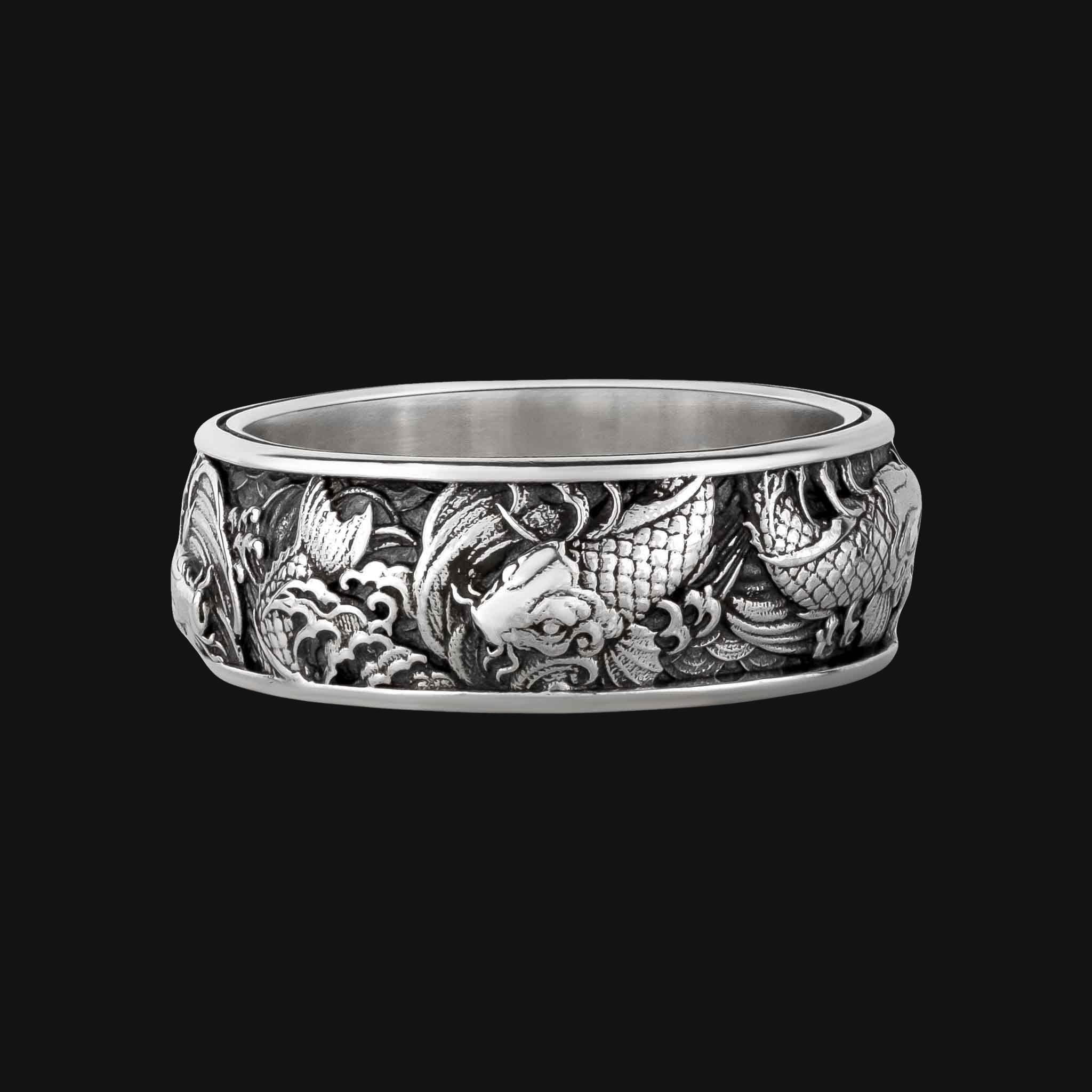
Lotus and Koi: One of the most iconic combinations. The lotus flower grows from muddy water to bloom in sunlight — a visual parallel to the koi's upstream journey. Together, they represent the beauty that can emerge from struggle and the possibility of rising above difficult circumstances.
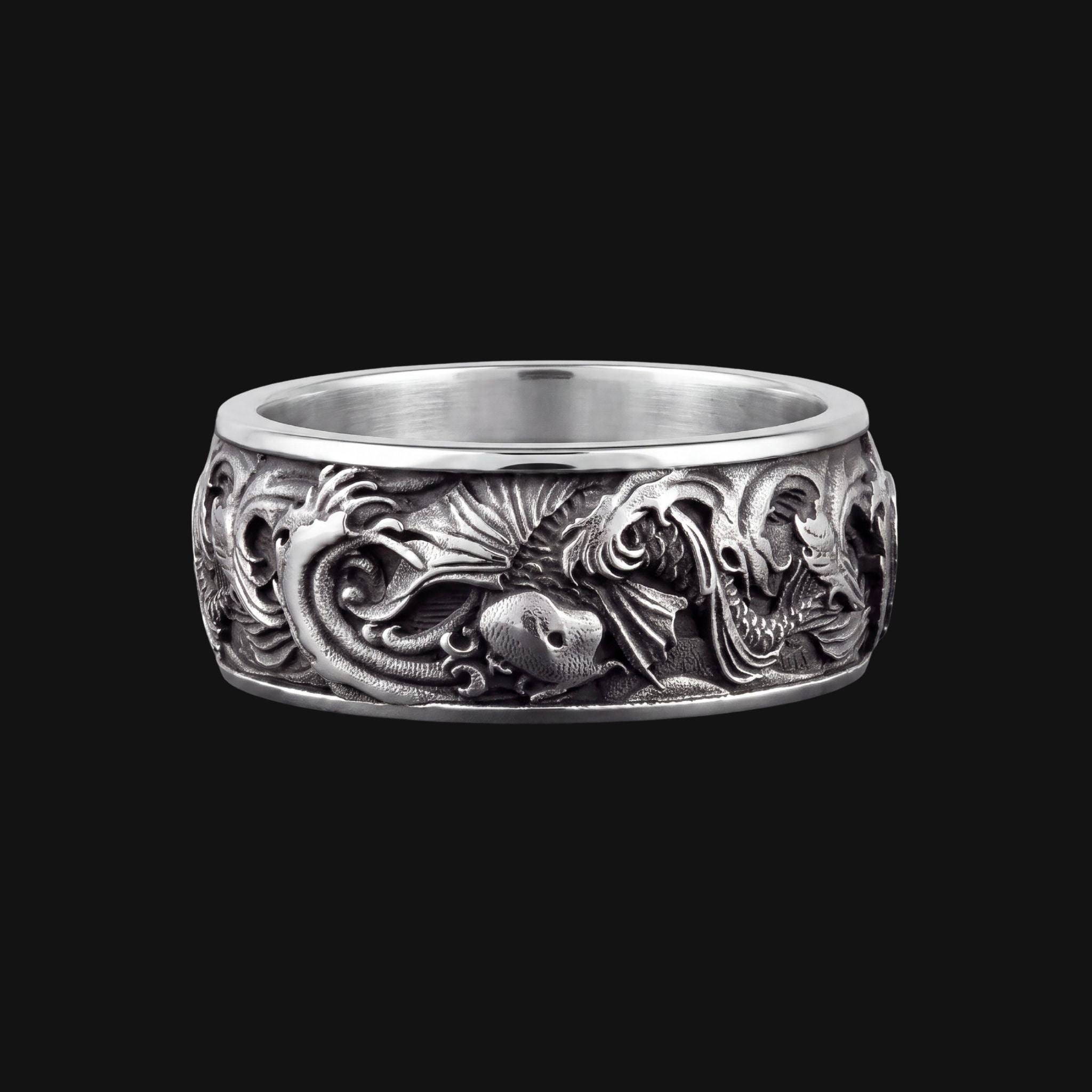
Dragon and Koi: A direct reference to the Dragon Gate legend, this pairing captures the moment of transformation — the koi mid-leap, becoming the dragon. It's a powerful image for anyone who has undergone a profound personal metamorphosis.
Yin-Yang Koi: Two koi — often one black and one white — arranged in a yin-yang pattern symbolize balance, duality, and the interconnected nature of opposing forces.
The placement of a koi tattoo also carries meaning in Japanese tradition. Larger pieces flowing across the back, shoulder, or leg allow the fish to be depicted in full motion, emphasizing the sense of movement, freedom, and ongoing journey.
7.) Koi Fish in Western Culture
While koi symbolism originated in Asia, the Western world has enthusiastically embraced both the fish and their meaning. Koi ponds have become a popular garden feature in homes across Europe and North America, valued as much for their meditative quality as their aesthetic beauty.
In Western tattoo culture, koi fish have been adopted and adapted freely, sometimes stripped of their specific cultural context but retaining their core themes of perseverance, transformation, and good luck. They appear in jewelry, home décor, fashion, and fine art.
The universal appeal makes sense: the koi's story — of struggling upstream, of refusing to give up, of one day making the leap — is a story every human being can recognize in themselves.
8.) Why Koi Fish Have Endured as a Symbol
What makes the koi fish such a timeless and resonant symbol? Perhaps it's the elegance of the metaphor. The koi doesn't fight the current out of anger or desperation. It swims upstream with intention — calm, persistent, purposeful. There's something deeply human in that image: the quiet courage of continuing to move forward even when the current pushes back.
In a world that often rewards speed and loudness, the koi offers a different kind of wisdom. Transformation is slow. Strength accumulates quietly. And sometimes the most extraordinary leaps come only after the longest, hardest climb upstream.