The Code of Chivalry : What Modern Men Can Learn From Medieval Knights
What is Chivalry?
Chivalry was not a set of manners, and it was more than a romantic ideal. It was a practical code developed in medieval Europe between the 11th and 14th centuries, designed for men who lived with strength, status, and the capacity to do harm.
In medieval society, power was not abstract. Men carried weapons. Authority was enforced physically. Temptation, violence, and ambition were part of daily life. Without restraint, strength quickly turned destructive.

Chivalry existed to prevent that.
At its core, the code functioned as a system of self-regulation. It placed moral boundaries on men who had the ability to cross them. It emphasized discipline over impulse, responsibility over indulgence, and honor over convenience.
The core principles of chivalry were simple, but demanding:
-
Self-control
Mastery over impulse, anger, and desire rather than being driven by them. -
Honor
Acting in a way that preserves self-respect, even when there is no external reward. -
Responsibility
Understanding that strength carries obligation, not entitlement. -
Loyalty
Commitment to people, values, and causes beyond personal gain. -
Courage
The willingness to act rightly despite fear, pressure, or personal cost.
These principles were not idealistic. They were grounded in reality. Chivalry acknowledged the nature of man. Ego, aggression, and desire were not denied. They were expected. The code did not attempt to erase these instincts. It taught men how to govern them.
Morality sat at the center of chivalry because it was necessary, not symbolic. A man without moral restraint was dangerous to others and unstable within himself.

Although the world has changed, the fundamentals have not. Men no longer carry swords, but they still carry influence. Power now takes different forms. Money, status, reach, and visibility. The same instincts operate beneath the surface, and the same risks follow when they are left unchecked.
Chivalry mattered then for the same reason it matters now. It offered men a standard to live by when external rules were weak or inconsistent. It provided a way to act with strength without being ruled by it.
How Medieval Knights Thought About Power, Honor, and Restraint
To understand chivalry, it helps to understand how medieval knights viewed power.
Power was immediate and personal. Knights carried weapons, held land, and enforced authority directly. Violence was never distant. Because of this, power was treated as dangerous when left unchecked.
Medieval thinkers assumed that authority amplified impulse. Ego, anger, and excess were expected. Chivalry existed to place limits on that escalation.
Honor was the primary restraint.
Honor was not a feeling or a public label. It was a standard measured through consistent action over time. A knight’s worth depended on alignment between word and conduct, especially when unobserved.

In texts such as Geoffroi de Charny’s Book of Chivalry (c. 1350), knights were warned that skill in battle meant little without discipline and judgment. Courage without restraint was considered a liability.
Restraint was therefore central to strength. A knight was expected to control anger, limit force, and act proportionately. This did not make him passive. It made him reliable. A man ruled by impulse could not be trusted with responsibility.
This mindset extended beyond the battlefield. Conduct in private mattered. Treatment of those with less power mattered. Temptation mattered.
Chivalry offered a clear framework. Strength had to be governed internally before it could be exercised externally. Honor was the measure. Restraint was the proof.
The world has changed, but the principle remains. Power still tests character. Influence still exposes impulse. Human nature has not evolved away from these pressures.
Is Chivalry Dead, Or Just No Longer Rewarded?
It is easy to assume chivalry no longer works because it is no longer celebrated.
Modern culture rewards visibility, speed, and reaction. Honor, restraint, and consistency rarely trend. As a result, men who live by standards are often told they are outdated or naive. The message is subtle but persistent. Cut corners. Lower expectations. Adapt.
Yet beneath the surface, the outcome has not changed.
Human beings still respond to the same signals they always have. Calm under pressure. Consistency over time. Strength that does not need to announce itself. These traits still command respect, even when they go unspoken.

A man who governs himself is trusted. A man who does not react impulsively is taken seriously. A man who holds his word gains influence without asking for it. These responses are not social trends. They are instinctive.
What has changed is not the reward, but the way it is delivered.
Chivalry no longer receives public applause. It earns something quieter. Credibility. Reliability. Authority that builds slowly and holds when conditions shift. The respect it generates is not loud, but it is durable.
Society may suggest that restraint is weakness and standards are optional. Human nature disagrees. People still sense when a man is grounded. They still defer to those who act with consistency and control. They still trust men who do not need validation.
Chivalry was never about recognition. It was about outcome. That has not changed.
What Chivalry Looks Like for the Modern Man
The modern knight does not wear armor or live by ceremony. He lives by a code.
In a world filled with noise, contradiction, and incentives to compromise, a strong moral framework becomes an advantage. Men who operate without one are constantly reacting. Men who live by a code decide in advance who they are and what they will tolerate.
This is where chivalry becomes practical.

A man guided by chivalric principles does not drift. He moves with intention. His decisions are simpler because his standards are clear. He does not need to recalculate his values in every situation. The code does the work.
This resolves many of the pressures modern men feel.
-
Clarity replaces indecision
When a man knows his standards, choices stop feeling negotiable. He acts consistently instead of second-guessing himself. -
Self-respect replaces resentment
Living by a code removes the need for validation. A man who respects his own conduct does not feel the need to prove himself. -
Discipline replaces chaos
Chivalry demands restraint. Over time, this produces focus, reliability, and momentum rather than bursts of effort followed by collapse. -
Trust replaces friction
Men who act with consistency earn trust quietly. In work, relationships, and leadership, trust compounds into opportunity.
Success, in this sense, is not accidental. It is the byproduct of alignment. When a man’s actions match his values, his presence becomes steady. People sense it. They rely on it. They defer to it.
This is what it means to be a modern knight.
Not dominance. Not performance. Not approval.
Strength governed by principle. Power exercised with restraint. Conduct that holds whether it is seen or not.
The world may look different from the medieval past, but the internal battle remains the same. Temptation still exists. Ego still seeks shortcuts. Pressure still tests character.
Chivalry offers a way through that pressure. Not by resisting the modern world, but by standing firmly within it.
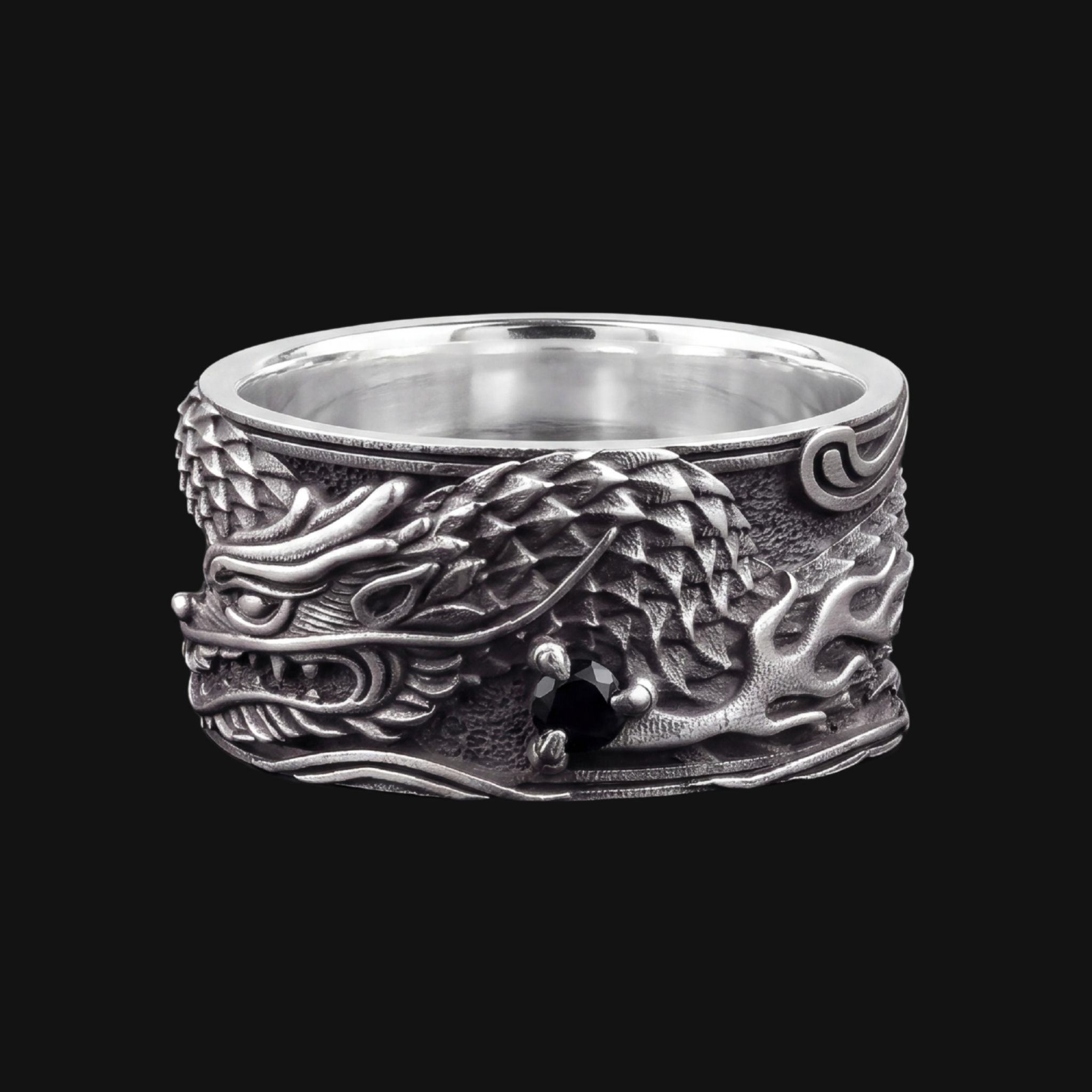
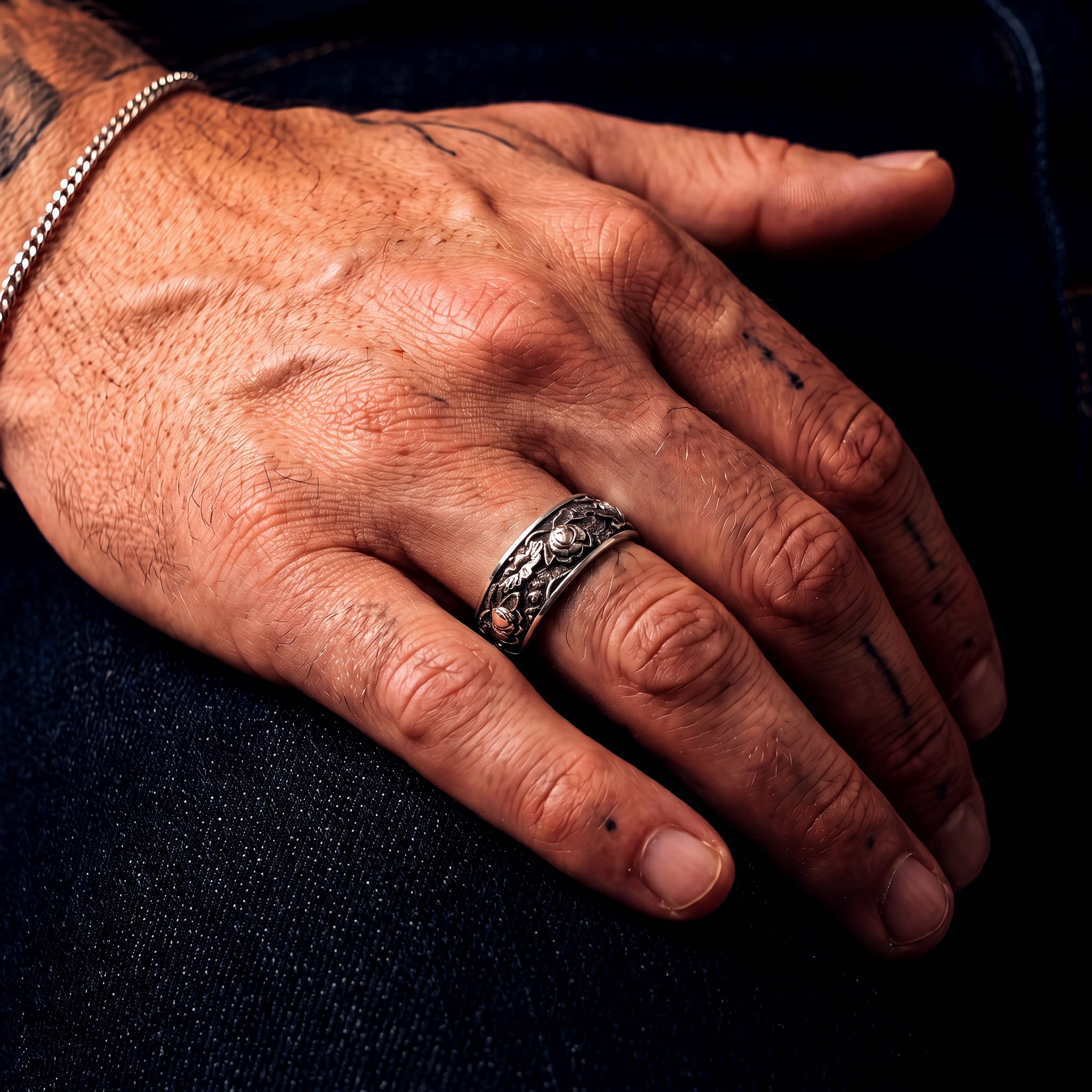
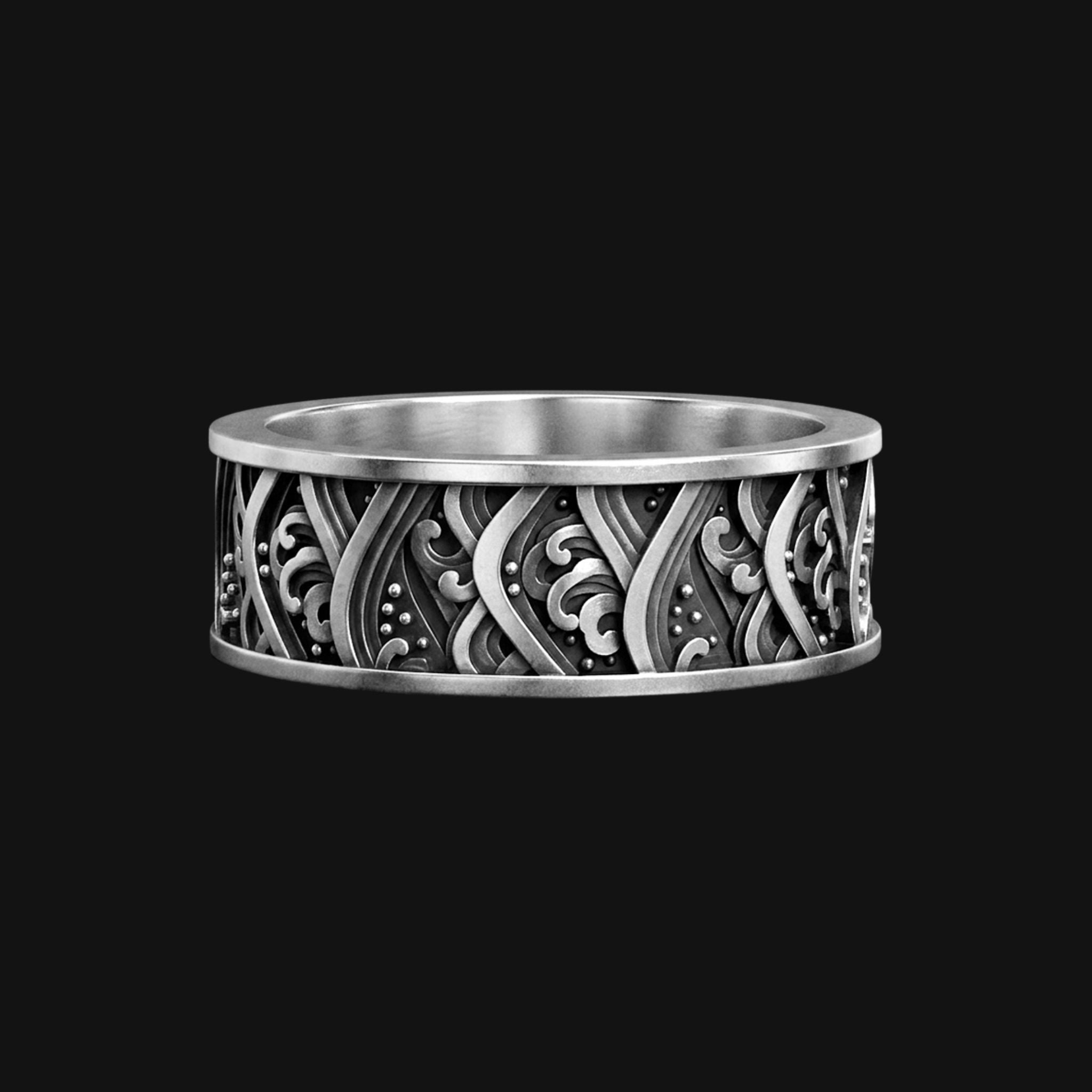
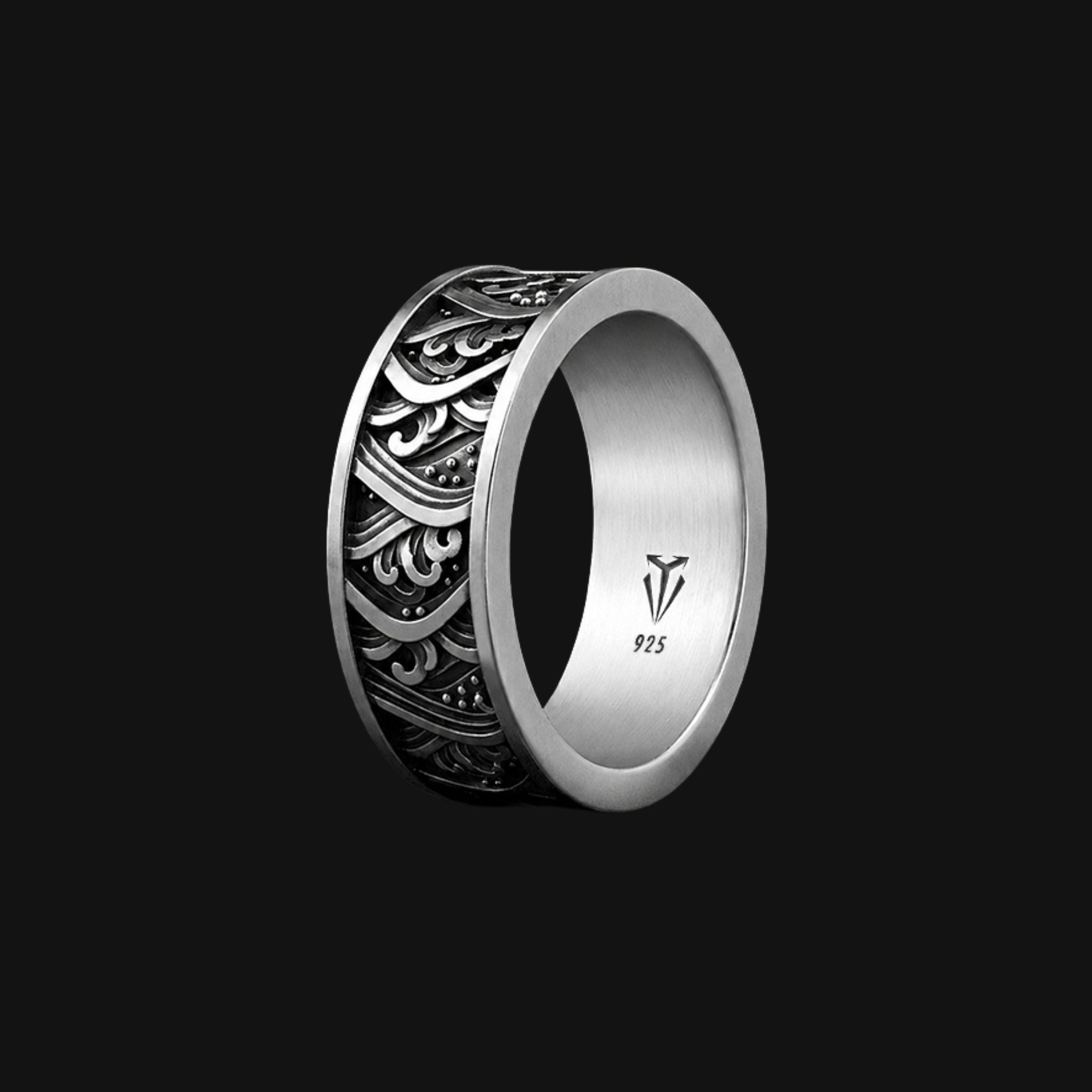
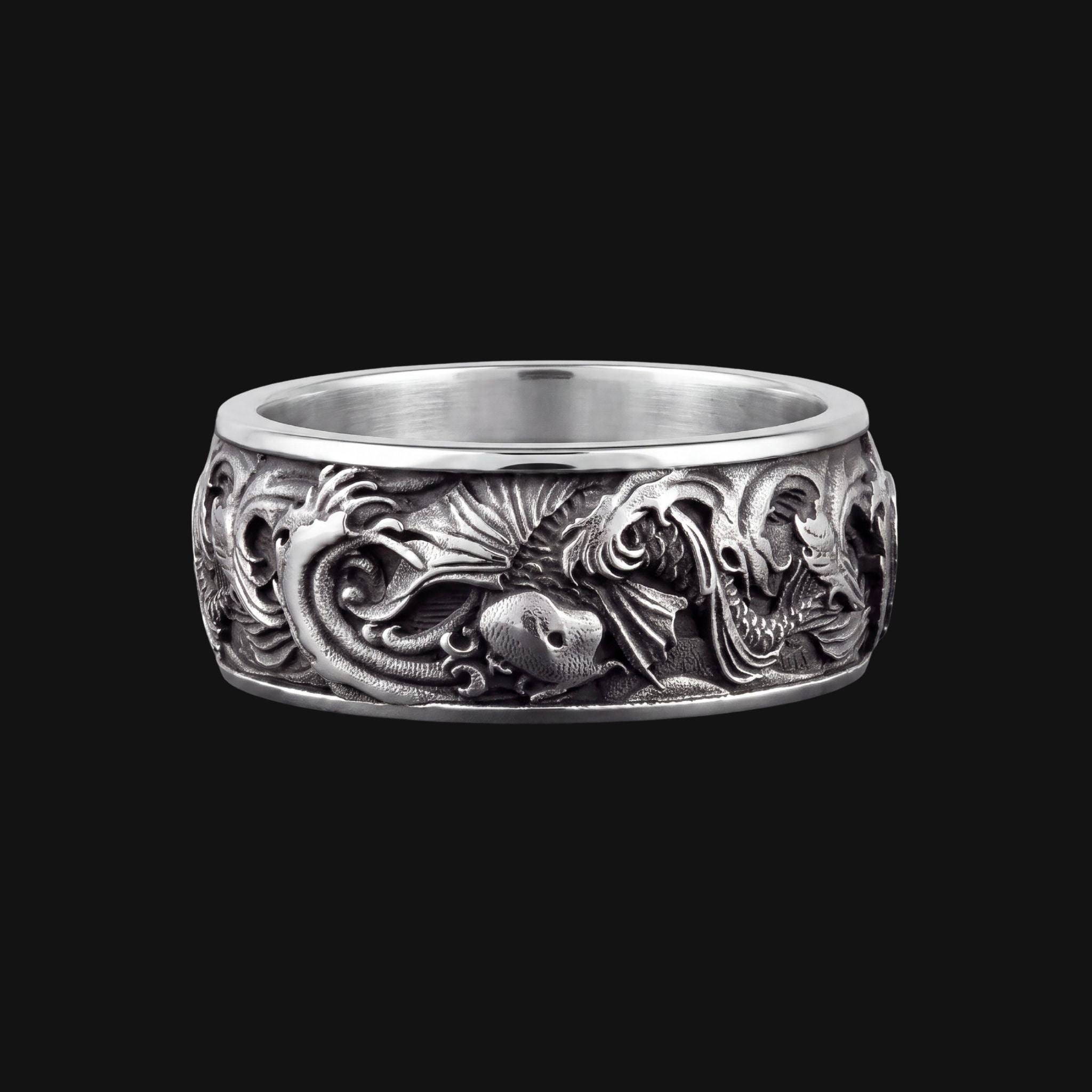
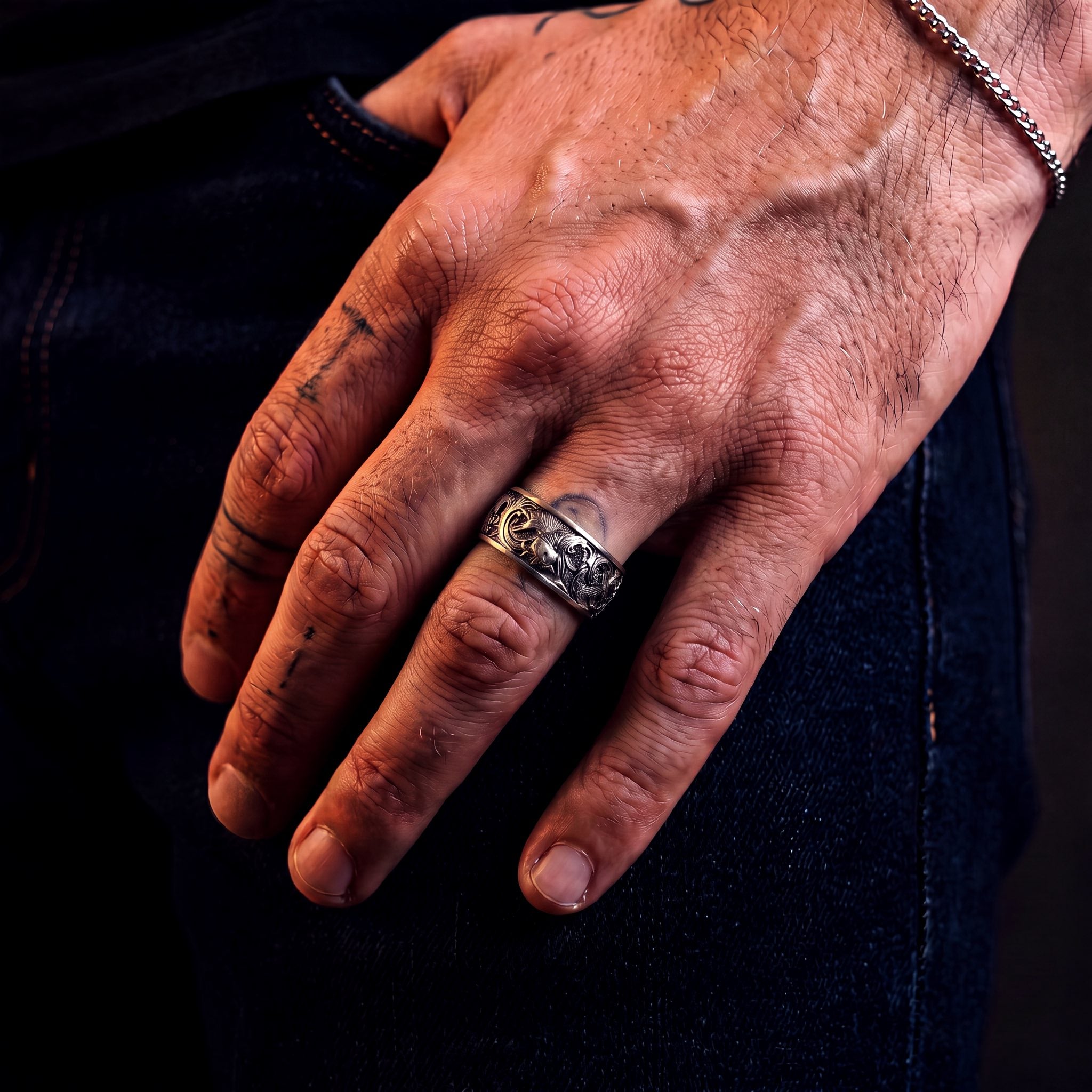
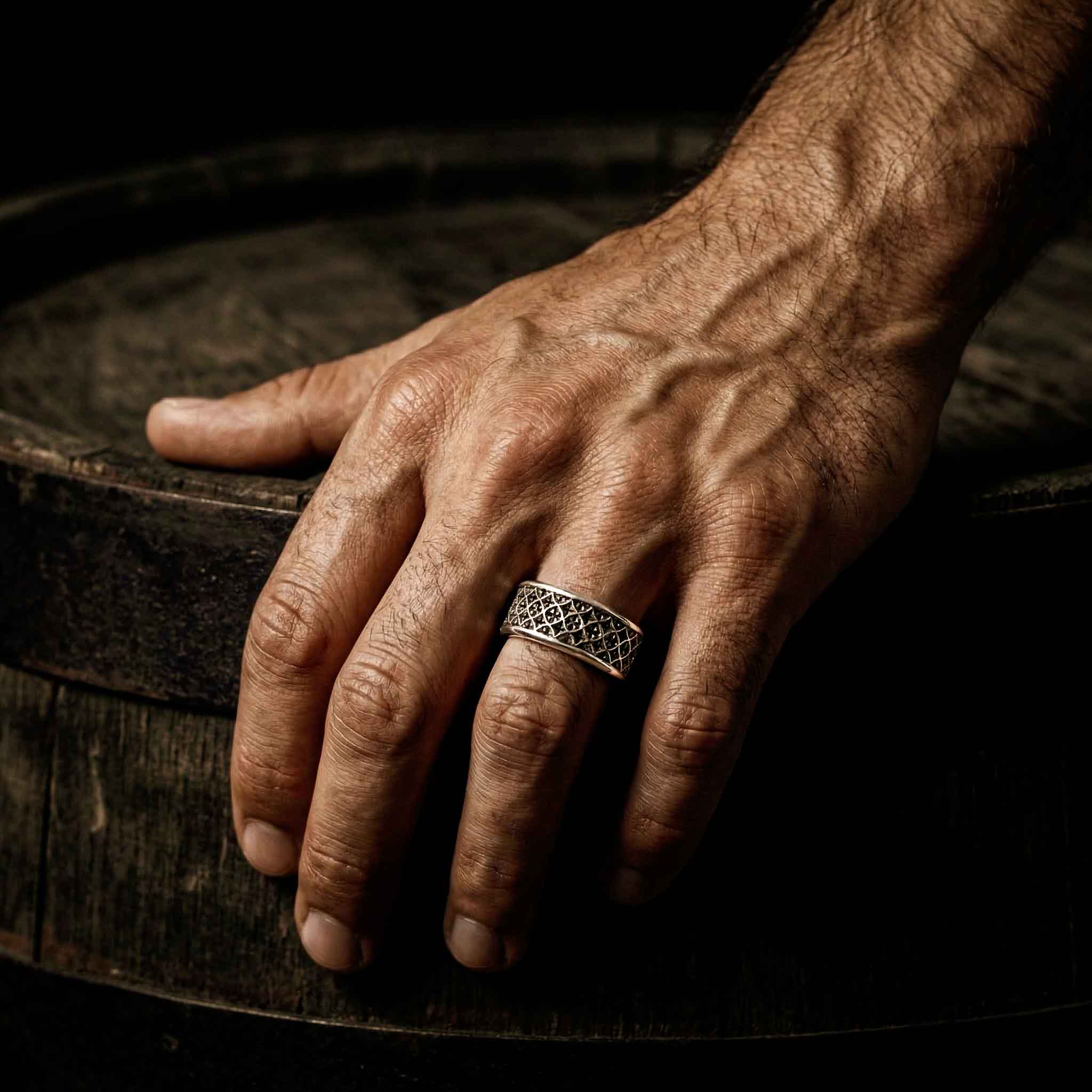
The Sentinel ring was created for this purpose. A symbol of restraint, accountability, and self-governance. A quiet reminder of the code a man has chosen to live by.